Greene County Commissioners Approve Animal Shelter Resolution, Back New Financing Program
A new facility would allow for proper ventilation and sanitation systems, designated quarantine and isolation areas, secure outdoor exercise spaces, and dedicated areas for adoptions, intake....
The Greene County Board of Commissioners convened its regular monthly meeting on Monday, March 2, 2026, at 10:00 a.m. at the Greene County Operations Center in Snow Hill. Commissioners approved the county’s participation in a statewide commercial property financing program, adopted policies required for state water infrastructure funding, and unanimously backed a last-minute resolution seeking federal funding for a new animal shelter.
Consent Agenda
The board moved through its consent agenda without discussion, approving tax releases and refunds, budget amendments for the Greene County Senior Center, and a budget amendment for the Register of Deeds.
The tax releases covered ad valorem property tax adjustments for the current year, including gap bill releases on two properties transferred to Wayne County jurisdiction. Assessed values on those properties were $1,519 and $2,917, respectively, with corresponding release amounts in the range of $13 to $26. A third release involved a property with an assessed value of $55,200, resulting in a release of $531.91.
Vehicle tax and tag refunds were approved for several taxpayers through the NC Vehicle Tax System. Refund amounts ranged from approximately $22 to just under $100. Reasons included vehicles sold with unused months remaining on the registration, with refund periods ranging from three to four months, and one case in which a taxpayer successfully appealed an overassessment. Ad valorem refunds were also approved in amounts of $60, $120, and $60 across multiple properties, along with an additional $60 refund, all related to private hauler adjustments.
The Senior Center amendments adjusted budgets for three funding sources. SHIIP MIPPA grant funds came in $3,217 below the budgeted amount, requiring reductions including $1,417 from salaries, $1,000 from travel, and $800 from postage and telephone. ARPA aging funds through the NC Division of Aging were adjusted by $6,155.77 following the grant’s end in September 2025, with reductions spread across salaries, Medicare, FICA, retirement, supplies, and congregate meals, the largest of which was a $3,660.23 reduction to congregate meals. A Meals on Wheels grant through BCBS came in $8,000 below the requested amount, requiring a reduction of $1,633.39 from supplies and $6,366.61 from meals.
The Register of Deeds amendment added $11,000 through automation revenue to cover equipment rental costs associated with a new land records system.
There were no public comments.
C-PACE Program
County Manager Kyle DeHaven handled all three presentations on the agenda, joking at the outset that he would be doing his best impersonation of Trey Cash, the Chief Operating Officer of the NC Global TransPark Economic Development Region, who had prepared the C-PACE materials and presented the program to commissioners at their recent retreat.
“I’ll do my best Trey Cash impersonation this morning,” DeHaven said before pausing. “I’ve already fallen short.”
DeHaven explained that C-PACE is a voluntary program that allows owners of commercial, industrial, agricultural, and qualifying residential properties to obtain private financing for improvements, including energy efficiency upgrades, renewable energy installations, water conservation measures, and resiliency projects. The financing is secured through a voluntary assessment on the property and repaid by the property owner over time. DeHaven emphasized that the program carries no financial liability for the county. “There are no questions on this voluntary program which would benefit our real property owners, having no financial liability to the county,” he said.
Commissioner Bobby Taylor sought clarification on the residential eligibility threshold, asking whether the five-unit minimum meant a property had to have exactly five units or at least five. DeHaven confirmed the program applies to residential properties with five or more dwelling units, not smaller multifamily buildings like quadplexes.
The resolution authorizes the C-PACE program to operate within Greene County’s jurisdiction and sets a public hearing for April 6, 2026, at 10:00 a.m. at the Greene County Operations Center. After the public hearing, the board will consider a final resolution to formally join the program. The motion to approve passed unanimously.
Water Infrastructure Policies
DeHaven then turned to his second presentation, this time offering his best impression of Rich Moore of McDavid Associates, who had prepared materials on policies required for state-level American Rescue Plan Act funding administered through the North Carolina Department of Environmental Quality’s Division of Water Infrastructure.
DeHaven explained that while the county had previously adopted policies to meet federal ARPA requirements, the state has now asked localities to adopt additional policies using state-specific language in order to qualify for DEQ and Division of Water Infrastructure funding that the county currently has or anticipates receiving.
“The state received funding from the feds, and they had asked us to put these in according to their standards, with their language,” DeHaven said. “I believe they’re actually pretty close to the same as what we already had.”
The three policies approved were a Record Retention Policy, a Nondiscrimination Policy, and a Cost Principles Policy. Commissioner Jerry Jones confirmed the policies applied specifically to water-related funding before moving to approve. The motion passed unanimously.
Animal Shelter Resolution
DeHaven then turned to what became the meeting’s most consequential item, a last-minute resolution expressing formal support for the construction of a new Greene County Animal Shelter, driven by a federal funding deadline that had only come to light days before the meeting.
DeHaven apologized to the board for walking the item onto the agenda without advance notice, explaining that the congressional Community Project Funding cycle had opened the previous Thursday, after agendas had already been distributed.
“Forgive me for walking this on,” he said, “but I got this news on the drive home Thursday after the agendas were already given out.”
Community Project Funding allows members of Congress to advocate for specific local projects through the annual federal appropriations process. One of the requirements for applying is a formal resolution of support from the Board of County Commissioners, making Monday’s action necessary to meet the application window. DeHaven estimated the grant request would be in the range of $1.8 to $2 million and acknowledged the competition would be stiff. “It’s going to be very competitive,” he said, “but one of the requirements would be a resolution of support from your Board of County Commissioners.”
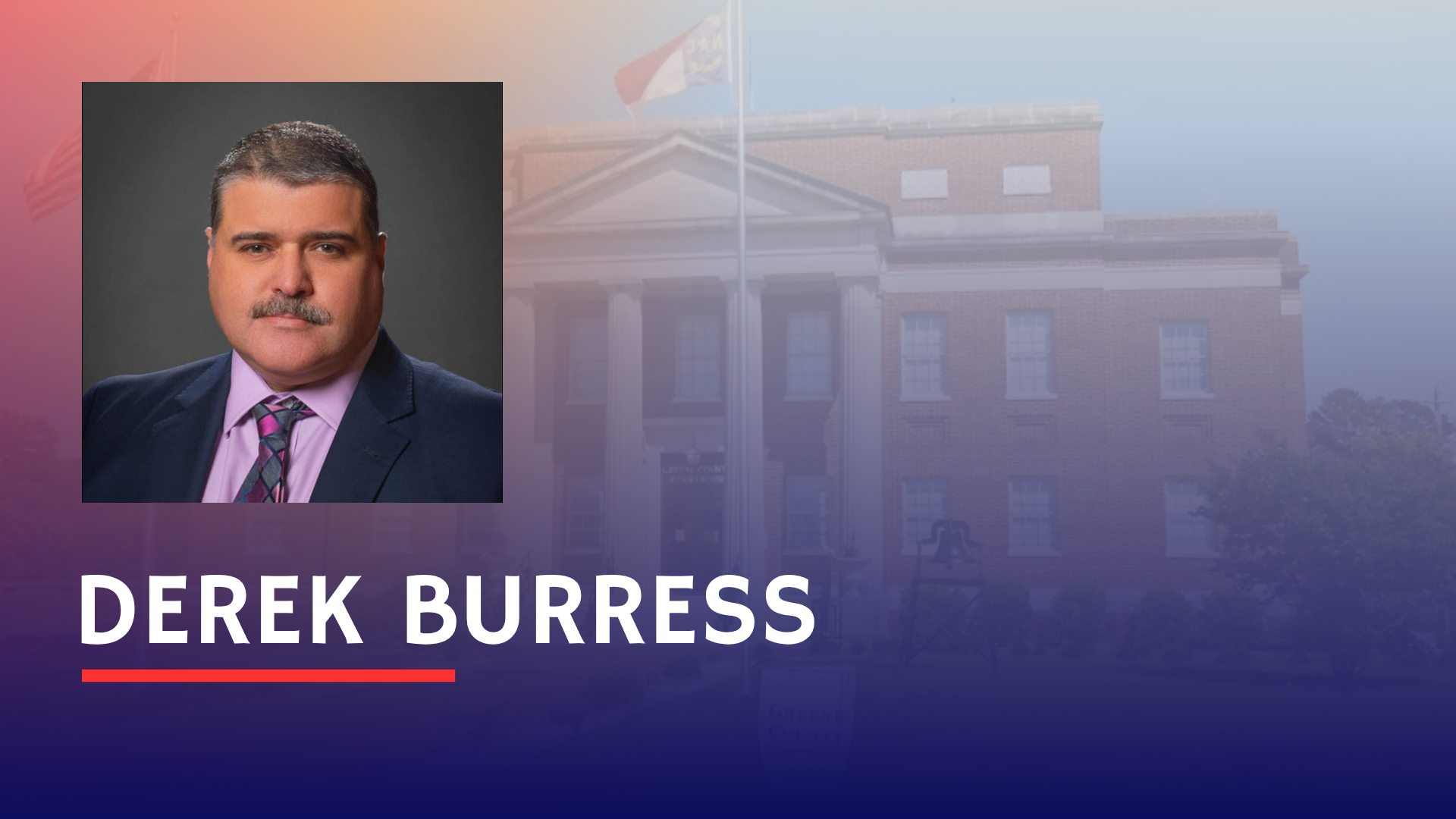
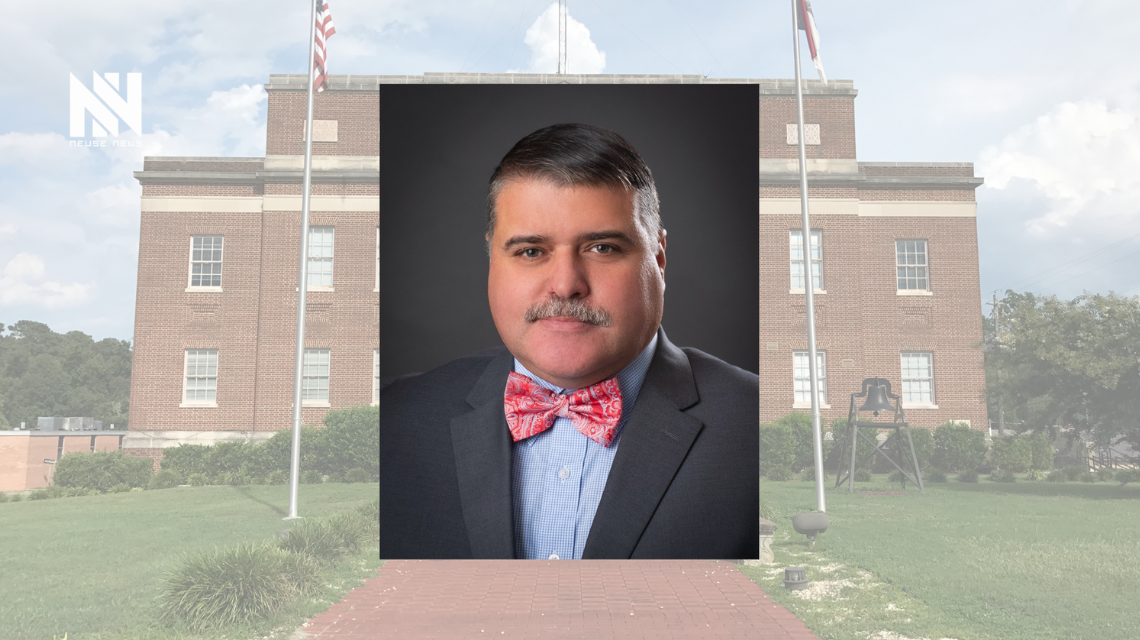
Commissioner Derek Burress, who had forwarded information about the funding opportunity to DeHaven after receiving it from Congressman Don Davis’s office, asked whether the application would go through Davis’s office or through the office of Congressman Greg Murphy, given that Greene County’s congressional district lines are set to change following the November election. DeHaven clarified that Davis currently represents Greene County and that the grant’s budget cycle runs from October 1 through September 30, meaning the application falls within the current district boundaries. “Until then, Don is in our district, and this budget will be effective October 1 to September 30,” DeHaven said. “So we are applying on time.”
The resolution outlined in detail why the current facility is inadequate. The existing shelter was originally built in the early 1980s as a private kennel for training hunting dogs and was never intended for use as a public animal shelter. It was donated to the county and has served as the animal shelter since 2001. The resolution noted the facility does not meet current animal welfare recommendations for space, layout, and design, and is too limited in size, infrastructure, and functionality to serve the county’s growing needs. It also presents challenges in properly separating animals by size, health status, and temperament.
A new facility, the resolution stated, would allow for proper ventilation and sanitation systems, designated quarantine and isolation areas, secure outdoor exercise spaces, and dedicated areas for adoptions, intake, and community education. It would also strengthen the county’s ability to partner with rescue organizations, veterinarians, volunteers, and community groups to increase adoption rates and reduce euthanasia.
The motion to approve the resolution passed unanimously.
Commissioners’ Report
Chairman Bennie Heath asked residents to pray for the nation and the world, given the volatile situation in the Middle East involving Iran and the United States.
Commissioner Jerry Jones noted he had heard a radio interview that morning with someone who described a close encounter with a drug cartel in Mexico and vowed never to return.
Heath also reminded residents that Tuesday is election day. “I’ve always been told, and I’ve always said if you don’t vote, you don’t have a whole lot of rights to complain about things,” Heath said. “A lot of people gave a whole lot of blood, sweat, and tears that put us in a democratic country where we can vote, and I would highly suggest taking advantage of that opportunity to vote your opinions.”
Heath then noted several upcoming community events, including a Boys and Girls Club breakfast on Thursday morning at 7:30 at the community center, a pancake supper in Ormondsville (Ormondsville OWFB church) on March 13th, and the Snow Hill American Legion (Post 94) pancake supper on March 21. Commissioner Derek Burress then reminded the group that there was yet another pancake supper at Jerusalem Methodist Church on March 27th, calling it the start of their annual three-week pancake tour. Heath agreed, and with no further discussion, the board adjourned.
Neuse News is a locally-owned small business startup in downtown Kinston. Our goal is to provide free, hyper-local news to Lenoir, Greene and Jones counties. The kind of news our grandparents read in a format fit for today's times.
We provide this by having supportive advertisers and we encourage you to click on their ads, shop with them, and eat with them. Every bit of financial support is important to help us sustain free, hyper-local news.
Please consider supporting Neuse News with as little as $5 one-time or via a monthly option. Every little bit helps us, help you.