How One Clever Impostor Helped Kingston Rethink the Crown
By Jane Phillips
In 1772, Kinston was still known as Kingston, a small backwoods town with big hopes and muddy streets. News did not travel fast, but gossip did. So, when word spread that the sister of the Queen of England was coming through town, you can imagine the excitement. Royalty in Kingston!
People came from miles around just to catch a glimpse. Farmers left their fields early. Shopkeepers tidied their counters. Children stared down the road waiting for the fine carriage to appear. Most had never seen anyone connected to a king, much less the queen's own sister.
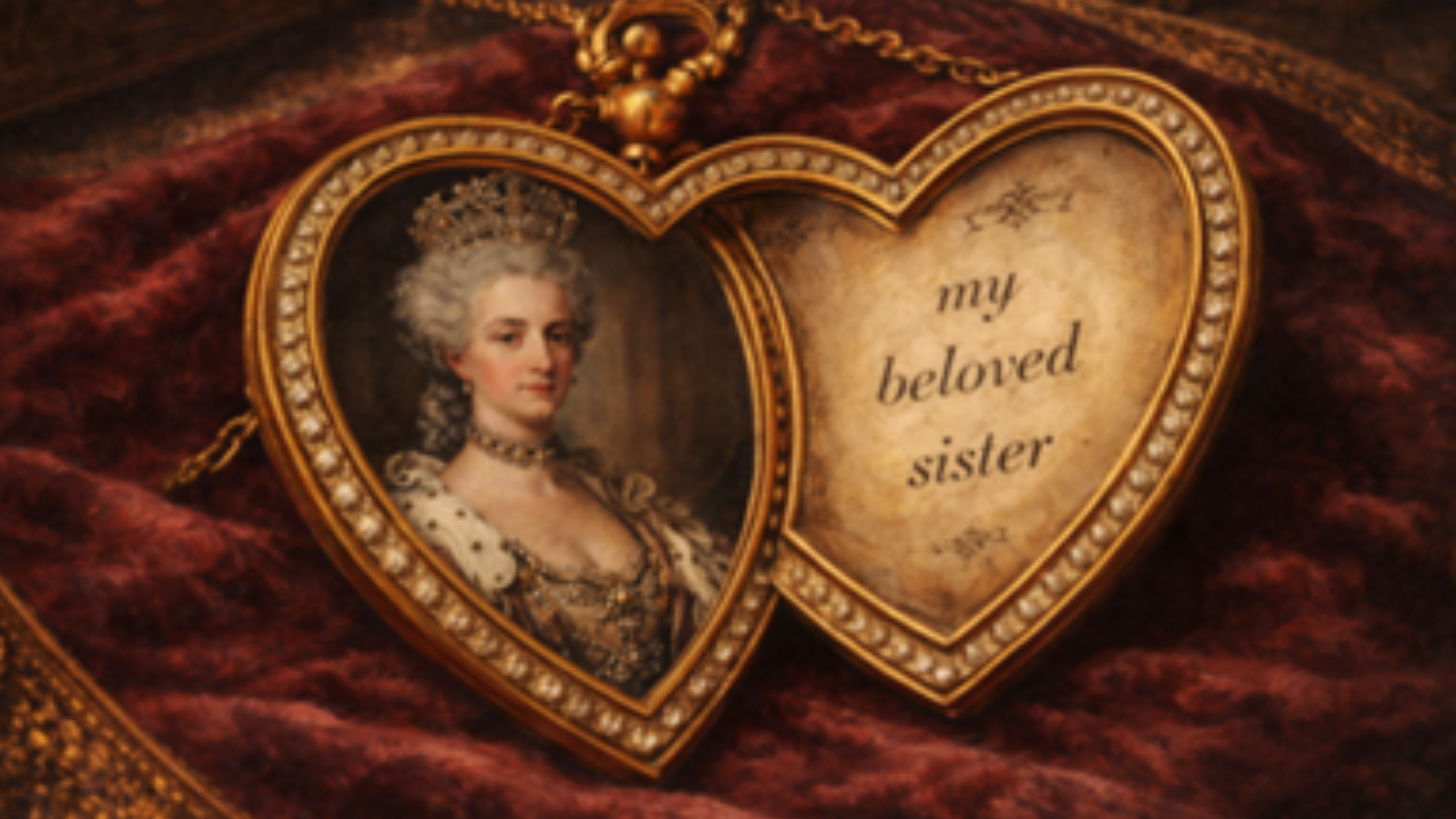
And then she arrived. Susanna Carolina Matilda stepped out dressed in high fashion, with three servants in tow. She carried herself with confidence. Around her neck hung a locket with a picture of the queen and an inscription calling her "my beloved sister." She had letters of introduction, royal connections, and a smooth explanation. She said she was traveling through the colonies to learn what the king's American subjects needed, so he could better serve them.
It must have felt important to be noticed.
For a small colonial town, this was more than a visit. It was validation. The leading citizens welcomed her into their homes. Tables were set with the best food available. Hospitality in the South has always been strong, and Kingston was no different. They wanted to show this royal visitor that they were loyal, generous, and worthy of attention.
For a few days, she had them completely charmed. Then came the twist.
She explained, with just the right amount of embarrassment, that she had run short of money. Funds from the king were on the way, she assured them. It was simply a delay. In the meantime, she would need a little help. Loans. Temporary assistance. Nothing to worry about. She promised repayment as soon as the royal messenger arrived. She even hinted that those who helped her might be recommended for royal appointments.
Doors opened. Purses opened wider.
It is easy to smile at the story now but imagine the scene. Ordinary citizens believe they were helping the king's own sister. Believing their kindness would be remembered in London. Believing they were part of something grand.
A few days later, she announced she must continue her journey. She would return; she promised gratitude, rewards, and honor.
She never came back.
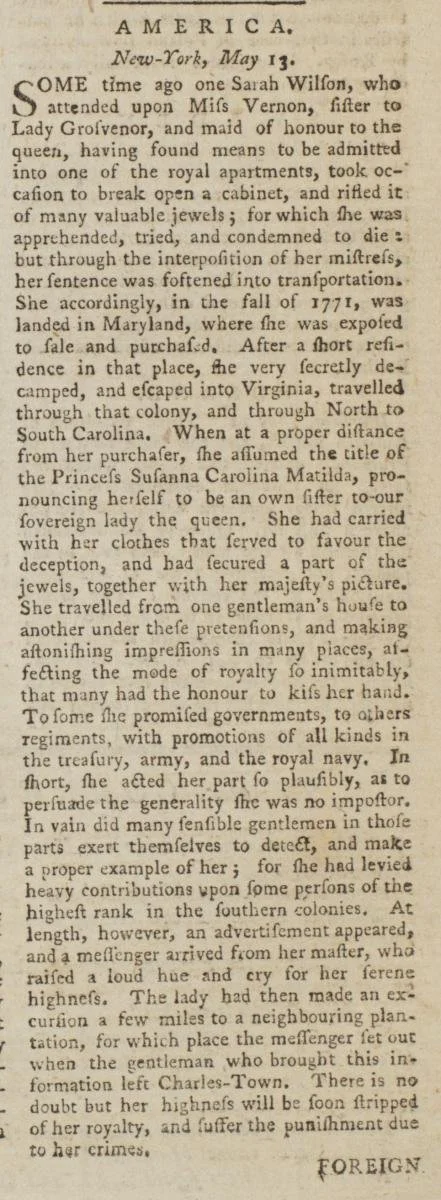
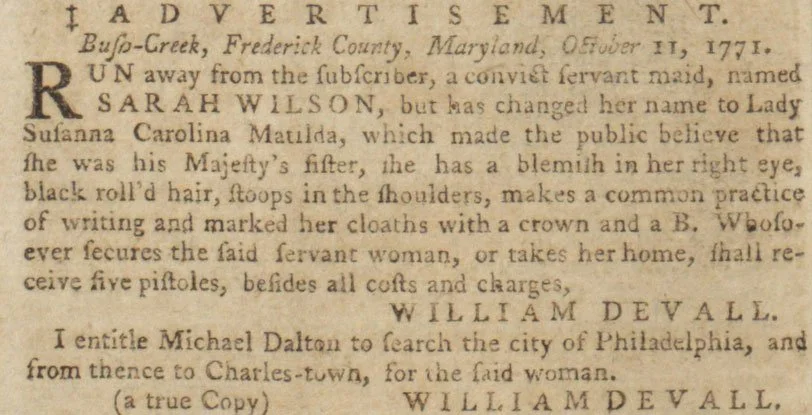
Soon after, newspaper reports began circulating through the colonies. The "royal sister" was not royal at all. Her real name was Sarah Wilson, a former servant in the queen's household. She had been accused of theft in England and sent to America as an indentured servant. From there, she escaped and began traveling from colony to colony, reinventing herself as royalty. She was clever, bold, and always one step ahead of capture.
Kingston had been fooled. You can imagine the feeling when the truth set in. Embarrassment. Anger. Maybe even a little laughter at their own expense. The grand visit that had filled the town with pride had turned into a costly lesson.
But this story matters more than its humor.
By 1772, many colonists were already uneasy about British rule. Taxes were rising. Decisions were being made far away. Trust was thin. When a woman claiming to represent the king arrived asking for money and promising influence, it fit a pattern people were starting to question.
In a strange way, the incident may have made it easier for Kingston to step away from the monarchy just a few years later. The people had seen how easily the image of royalty could be used to manipulate. They had opened their homes and wallets out of loyalty, only to be left behind.
So, when the Revolutionary spirit swept through the colony, and leaders like Richard Caswell urged North Carolina to stand on its own, the idea did not seem so impossible. The king felt distant. His promises felt uncertain. And the people of this small town had already learned that titles and lockets did not guarantee honesty.
Not long after independence was declared, Kingston quietly dropped the "g" from its name and became Kinston. A small change in spelling. A large change in loyalty.
As we celebrate 250 years of American independence, the tale of Susanna Carolina Matilda--also known as Sarah Wilson--reminds us that even small towns played their part in shaping a new nation. Sometimes through brave battles. Sometimes through bold leadership.

.
Sources:
-Lenoir County Two Hundred Years of Progress
-The Remarkable Career of Sarah Wilson: Convict, Princess, and Marchioness of Colonial America by Daniel Rolph
-Google will give you many other sources for Sarah Wilson