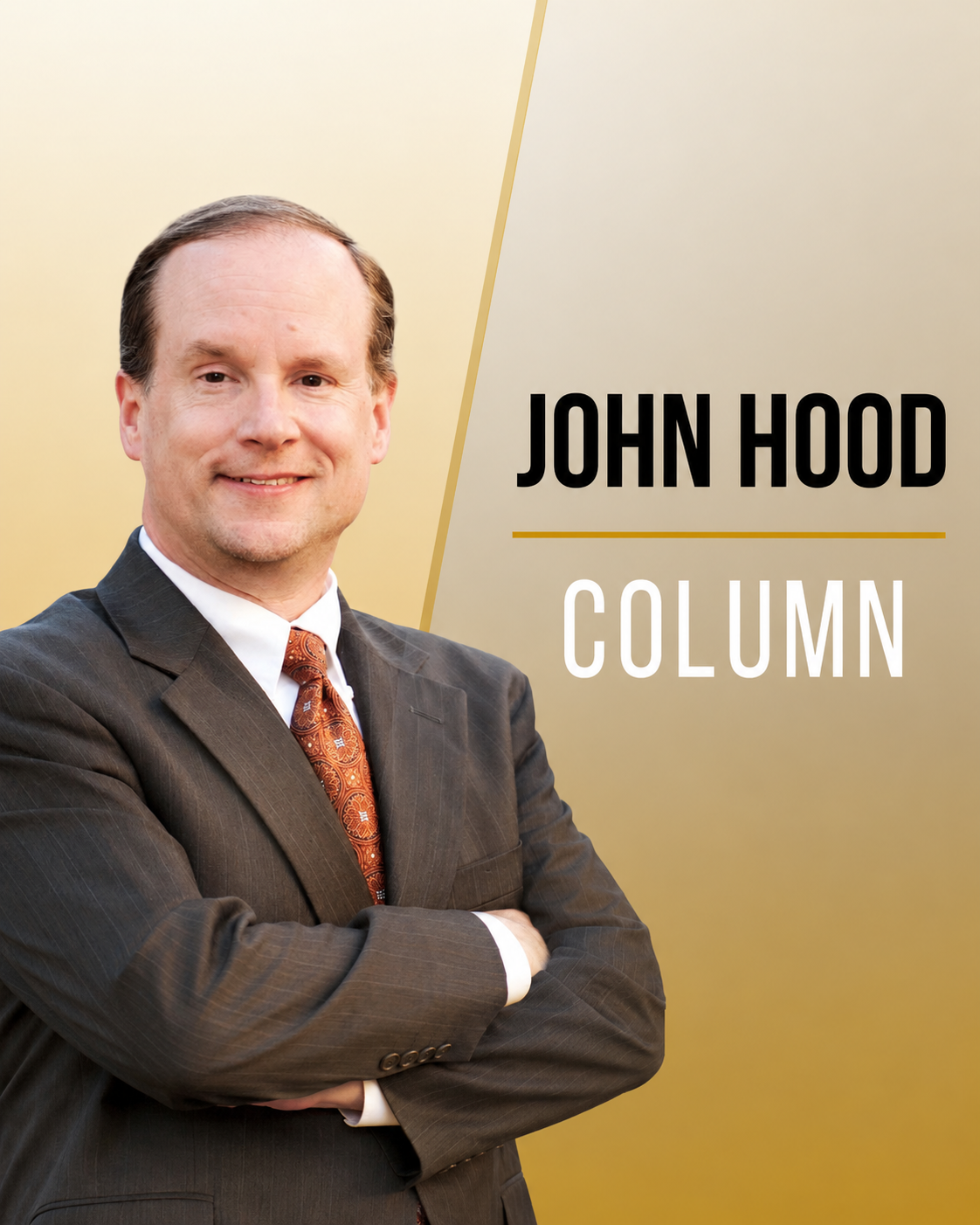
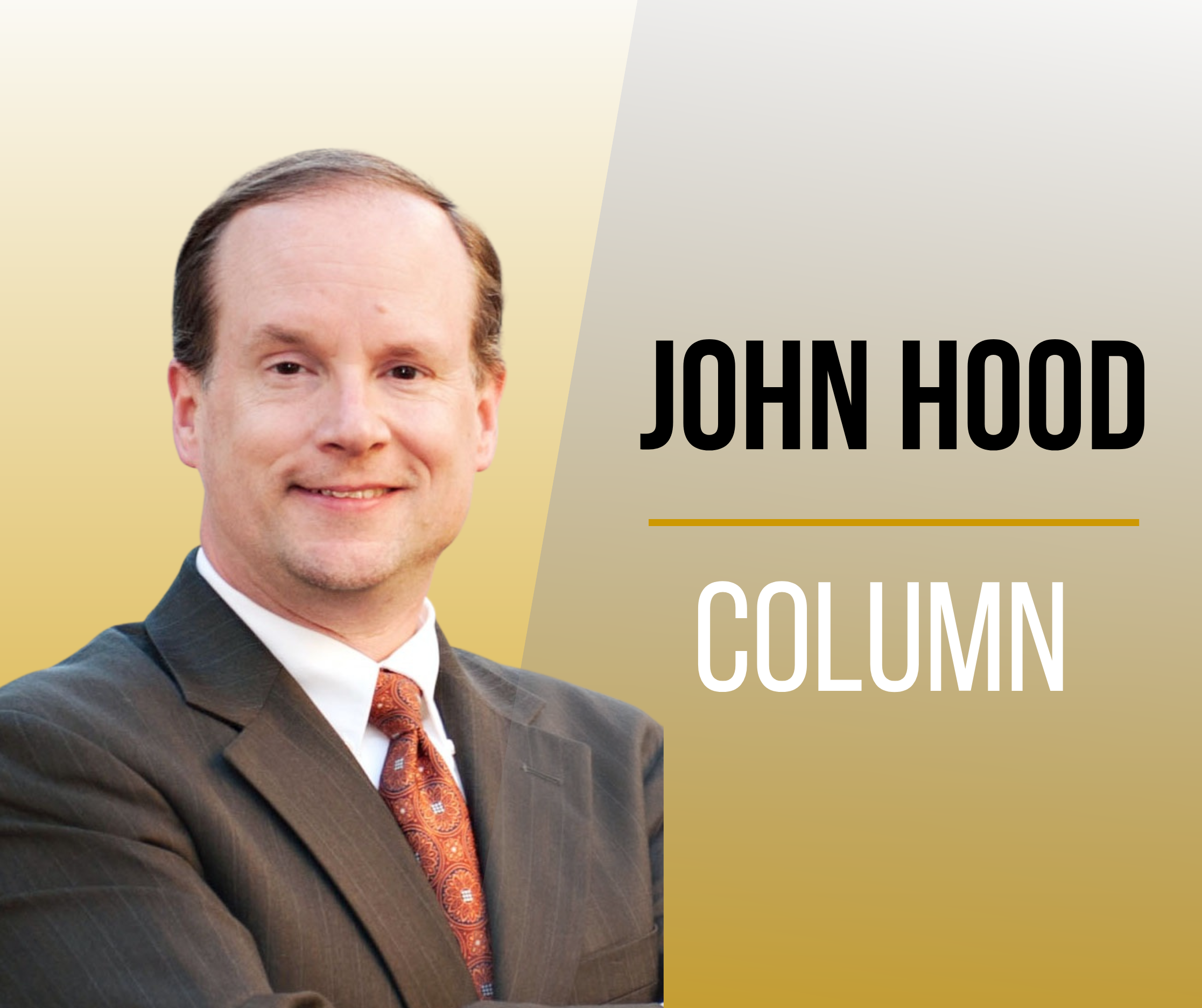
John Hood: Independent audits serve the public interest
RALEIGH — During my first reporting job in the nation’s capital, I read a lot of fantasy. No, I wasn’t goofing off. And no, I’m not making a lame joke at the expense of politicians, bureaucrats, or The Washington Post. Not today, anyway.
It was the summer of 1987. As a trainee at the National Journalism Center, I was assigned to work for Don Lambro, a columnist for United Feature Syndicate and chief political correspondent at The Washington Times. Having just begun writing a regular column for the Spring Hope Enterprise, the Nash County newspaper where I’d interned the previous summer, I relished the opportunity to learn the craft from a seasoned practitioner of the style I preferred: reported opinion.
I’d written plenty of editorials for my high school and college papers. But in my bylined pieces, I didn’t just want to offer my views on the issues of the day. I wanted to tell readers something they didn’t know. Even if they finished the column without being persuaded, they’d come away with a fact they’d never encountered, a statistic they’d never seen, a quote they’d never heard.
Which would, I reckoned, make it more likely they’d keep reading my column — and more likely my editors would keep running it.
Lambro had long pursued a similar strategy, regularly devoting his nationally syndicated column to outrageous examples of government waste, fraud, and abuse. He often concluded that taxpayers ought not be compelled to fund the programs in question. His readers didn’t have to share that conclusion, however, to find his pieces compelling. They might simply conclude that other individuals, or the other party, would have run the programs more efficiently.
Within minutes of meeting Lambro for the first time, I got my first assignment: to travel across town to the General Accounting Office to pick up a new report. “Which report?” I asked.
Lambro smirked. “I have no idea.”
Keep in mind that this was the pre-Internet era. Unless someone with an agency leaked a document — a method at which Lambro was also proficient — the only way to beat the competition to a newsworthy public report was literally to get there first. So, it became my job to linger in or just outside the lobby of the GAO. The moment a new report was officially released, I’d be there to grab a copy, scan the findings, and rush it to my boss if I concluded it was a fit subject for his column.
Over the years, Lambro had learned to trust the professional accountants, auditors, and investigators who worked for the GAO. I quickly learned the same lesson. So, when I say I read a lot of fantasy that summer, I’m not talking about its work product. I’m talking about the paperback novels I read while waiting around for the next GAO report to drop.
What brought all this to mind was a recent piece in the Washington Examiner about the retirement of Gene Dodaro, the Comptroller General of the United States and, therefore, head of what is now called the Government Accountability Office. His impending departure has touched off a turf war between Congress and the Trump administration. While GAO is a legislative-branch agency, its authorizing statute requires presidential appointment of the comptroller general for a 15-year term, subject to Senate confirmation.
Earlier this year, Dodaro tangled with Trump officials trying to install loyalists in the office. In response, Office of Management and Budget director Russ Vought said he and his team were “not big fans of GAO” because of its status as “a quasi-legislative independent entity,” something that “shouldn’t exist.”
Under Dodaro, the GAO has gone after misspending and malfeasance irrespective of party. Will his replacement do the same? That depends on whether congressional leaders are willing to defend the legislative branch from further encroachment. Independent audits and investigations serve the public interest.
That they also provide great fodder for columnists is merely a side benefit, I assure you.