Cooking with Tammy Kelly: Start the New Year Off Right with Healthy Habits and New Recipes
The new year means a clean slate, a time to set new goals and make positive changes. The best way to take the first step is to start with small daily mindful changes. One of the biggest mistakes we often make to set our goals to high too fast. Here are a few healthy habits to add to your resolution.
Move More
This doesn’t mean you have to go out and grab a gym membership, or commit to an hour a day, it only means that you need to be mindful about moving your body. Moving your body can improve blood sugar, and overall well-being. Taking a short walk after meals is one of the best times to incorporate moving more. Make the movement fun, play a game, dance, find what you like the most and are most likely to enjoy.
Shoot For More Sleep
Sleep infinitely proves to have a greater effect on our daily lives than we ever expected. Insufficient sleep can lead to overeating and weight gain. The key is finding the sweet spot, not too little or too much sleep. Get your sleep on a schedule and make it a priority to stick to it.
Choose to Eat Healthy
Obviously, there are a wide variety of diet plans to choose from, you don’t have to choose a plan, only choose to eat healthy. Eat a variety of colorful fruits and vegetables, “eat the rainbow”. It does help to have some simple guidelines to keep you on the right track.
Many years ago, the Mediterranean Diet jumped into popularity showing up as clearly the best way to eat to increase your longevity. A true “Mediterranean Diet” consists mainly of fruits and vegetables, seafood, olive oil, hearty grains, and other foods that fight against heart disease, certain cancers, diabetes, and cognitive decline.
Fortunately, the hype is real, research links the Mediterranean diet or way of eating with a longer “healthy life expectancy”, meaning that it may extend the number of years someone lives without chronic diseases or injuries. During a study tour of Southern Italy last fall, I got to witness first-hand the amount and variety of fresh vegetables available at every meal. Making dietary changes is never easy, but this diet can be inexpensive and a satisfying and very healthy way to eat! For additional information on the Mediterranean Diet, or the “Med Instead of Meds” Concept contact Kelly Tyndall kelly_tyndall@ncsu.edu at the Lenoir County of Cooperative Extension, 252-527-2191.
Health Benefits
The traditional Mediterranean diet consists of large quantities of fresh fruits and vegetables, nuts, fish and olive oil. This diet combined with physical activity, can reduce your risk of physical and mental health issues by;
* Protecting against type 2 diabetes. A Mediterranean diet is rich in fiber, which digests slowly, prevents huge swings in blood sugar, and can help you maintain a healthy weight.
* Preventing heart disease and strokes. Following a Mediterranean diet limits your intake of refined breads, processed foods, and red meat, and encourages drinking red wine instead of hard liquor—all factors that can help prevent heart disease and stroke.
* Keeping you agile. If you’re an older adult, the nutrients gained with a Mediterranean diet may reduce your risk of developing muscle weakness and other signs of frailty by about 70 percent.
* Reducing the risk of Alzheimer’s. Research suggests that the Mediterranean diet may improve cholesterol, blood sugar levels, and overall blood vessel health, which in turn may reduce your risk of Alzheimer’s disease or dementia.
* Halving the risk of Parkinson’s disease. The high levels of antioxidants in the Mediterranean diet can prevent cells from undergoing a damaging process called oxidative stress, thereby cutting the risk of Parkinson’s disease in half.
* Increasing longevity. By reducing your risk of developing heart disease or cancer with the Mediterranean diet, you’re reducing your risk of death at any age by 20%.
What to Eat
* Eat lots of vegetables. Try a simple plate of sliced tomatoes drizzled with olive oil and crumbled feta cheese, or load your thin crust pizza with peppers and mushrooms instead of sausage and pepperoni. Salads, soups, and veggie platters are also great ways to load up on vegetables.
* Always eat breakfast. Fruit, whole grains, and other fiber-rich foods are a great way to start your day, keeping you pleasantly full for hours.
* Eat seafood twice a week. Fish such as tuna, salmon, herring, sablefish (black cod), and sardines are rich in Omega-3 fatty acids, and shellfish like mussels, oysters, and clams have similar benefits for brain and heart health.
* Cook a vegetarian meal one night a week. If it’s helpful, you can jump on the “Meatless Mondays” trend of foregoing meat on the first day of the week, or simply pick a day where you build meals around beans, whole grains, and vegetables. Once you get the hang of it, try two nights a week.
* Use good fats. Extra-virgin olive oil, nuts, sunflower seeds, olives, and avocados are great sources of healthy fats for your daily meals.
* Enjoy dairy products in moderation. The USDA recommends limiting saturated fat to no more than 10% of your daily calories (about 200 calories for most people). That still allows you to enjoy dairy products such as natural (unprocessed) cheese, Greek or plain yogurt.
* For dessert, eat fresh fruit. Instead of ice cream, cake or other baked goods, opt for strawberries, fresh figs, grapes, or apples.
Here are some simple samples of recipes to try;
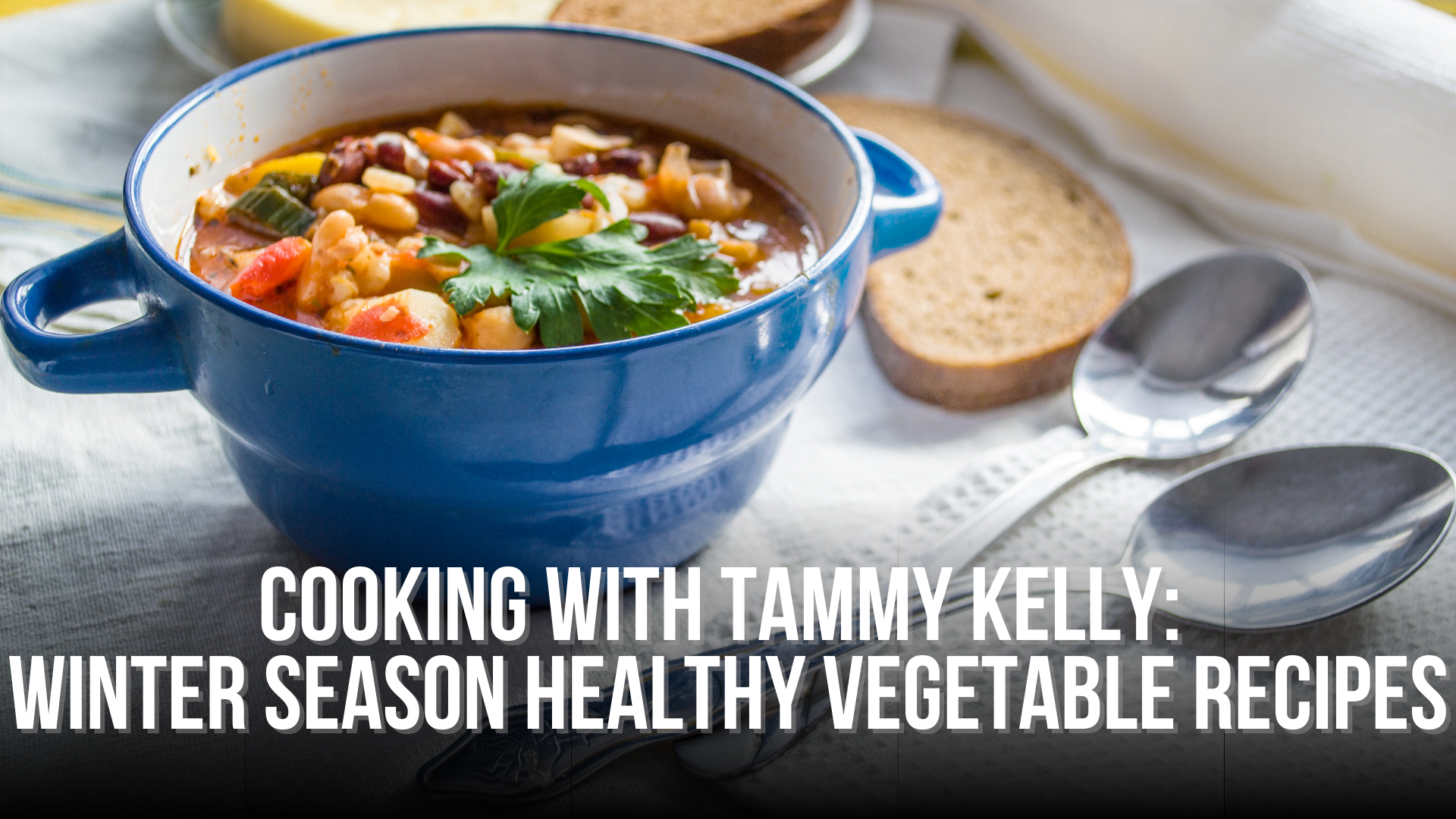
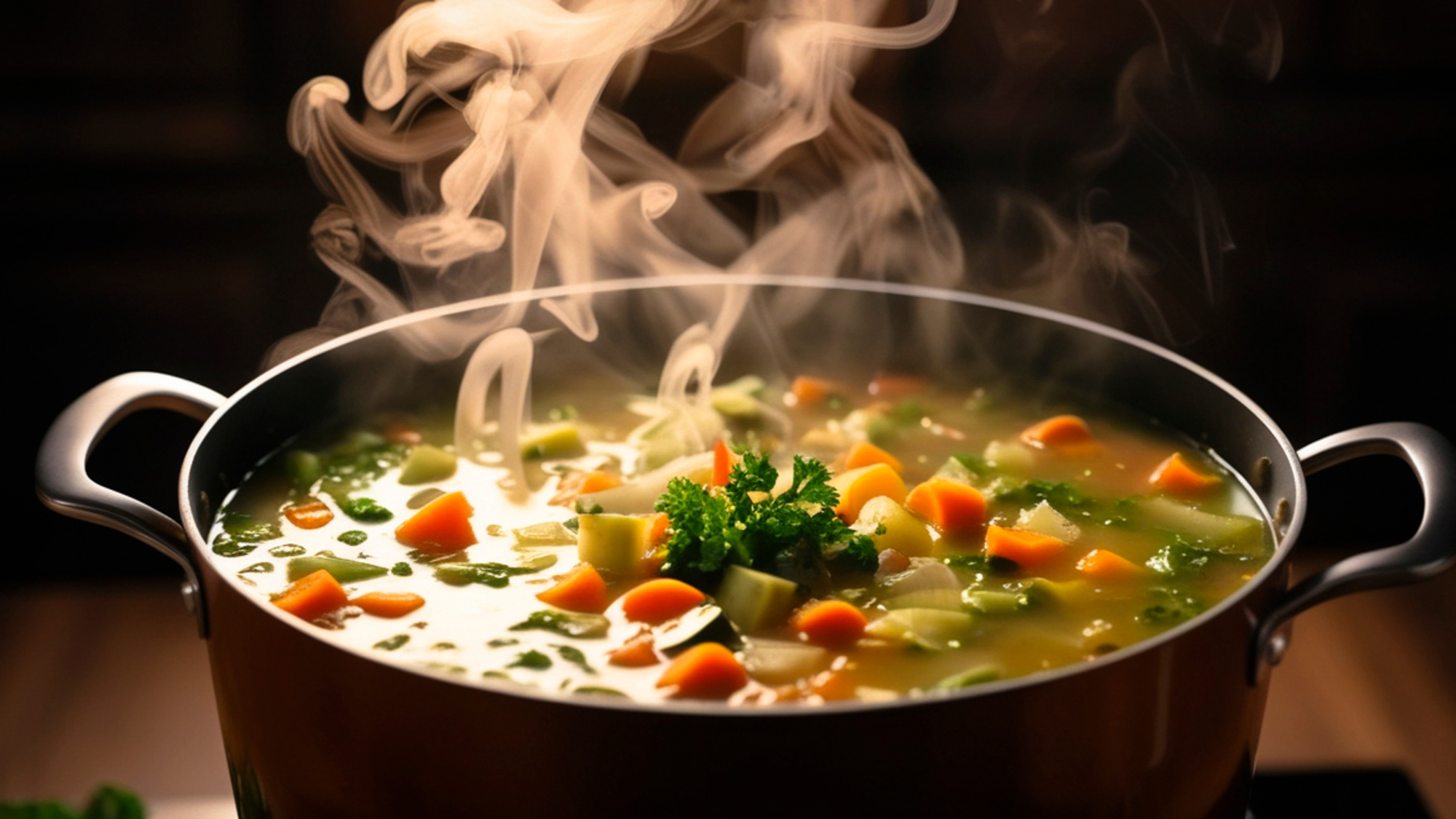
Healing Vegetable Soup
2 tablespoons extra virgin olive oil
1 yellow onion, diced
3 carrots, diced
2 ribs celery, chopped
2 cloves garlic, minced
1 medium to large potato, cut into cubes
1 medium zucchini, diced
10-12 fresh green beans, cut into 1 inch pieces
1 small crown broccoli, chopped into small pieces
1 cup riced cauliflower, rice your own or purchase pre riced
1 bay leaf
1 cup finely shredded cabbage
1 14 ounce can crushed tomatoes
2 teaspoons Italian seasoning, plus 1 tablespoon of fresh chopped thyme or rosemary, if available
4 cups chicken stock or broth
1 14 ounce can kidney beans, rinsed and drained
2 teaspoons sea salt
Freshly ground pepper, to taste
Juice of half a lemon
Clean and prepare all vegetables.
In a 6 quart Dutch oven or soup pot, heat the extra virgin olive oil over medium heat. Add the onion, celery, carrot, and a pinch of salt and sauté until soft, 5-6 minutes.
Add the garlic, bay leaf, a few spins of freshly ground black pepper, and Italian seasoning, and fresh herbs if you have them. Sauté everything another 1-2 minutes to cook the garlic and allow the flavors of the spices to release.
Add the potato, green beans, zucchini, broccoli, cauliflower rice and give it a stir, then sauté 3-4 more minutes to allow the veggies to pick up some flavor in the pan.
Turn the heat to medium-high, add the crushed tomatoes to deglaze the bottom of the pan. Use a wooden spoon to scrape up any bits from the bottom of the pan. Add the stock, 2 teaspoons of sea salt, black pepper, and the beans to the pan. Let it come to a rolling simmer, 2-5 minutes, then reduce the heat to medium-low and let it all simmer for about 10 minutes to cook the veggies through.
Add the shredded cabbage and let it cook for 5 minutes to begin to wilt. Adjust seasoning as needed. Serve immediately or let it sit on the stove on warm for up to an hour. Finish with a topping of fresh lemon juice. Enjoy!
Creamy Cauliflower Soup
3 tablespoons extra virgin olive oil
2 large leeks, root and dark green tops removed
2 stalks celery, chopped
2 cloves garlic, minced
1 large head of cauliflower, cut into 2 inch pieces
4 cups vegetable or chicken stock
3 cups water
1 bay leaf
1 ½ teaspoons red wine vinegar
1 tablespoon sea salt
1 teaspoon coarse black pepper
Chives, finely chopped for garnish
In a large soup pot or Dutch oven, heat the olive oil over medium-high heat. Add the leeks, celery, and a pinch of salt and sauté until soft 5-6 minutes.
Add the garlic, stir and cook another minute until very fragrant, be careful not to burn the garlic.
Add the stock, 2 cups water, 2 teaspoons sea salt, ½ teaspoon black pepper and the bay leaf, then bring to a boil.
Add the cauliflower pieces and turn the heat to medium, simmer 30 minutes until the cauliflower is fork tender.
Discard the bay leaf. Puree the soup with a hand blender or in small batches in a high-speed blender or food processor or until very smooth. Add the pureed soup back to the pot and stir in the vinegar and ½ to 1 cup more stick or water, depending on the desired texture.
Garnish with fresh chopped chives and a few dashes of hot sauce If desired.
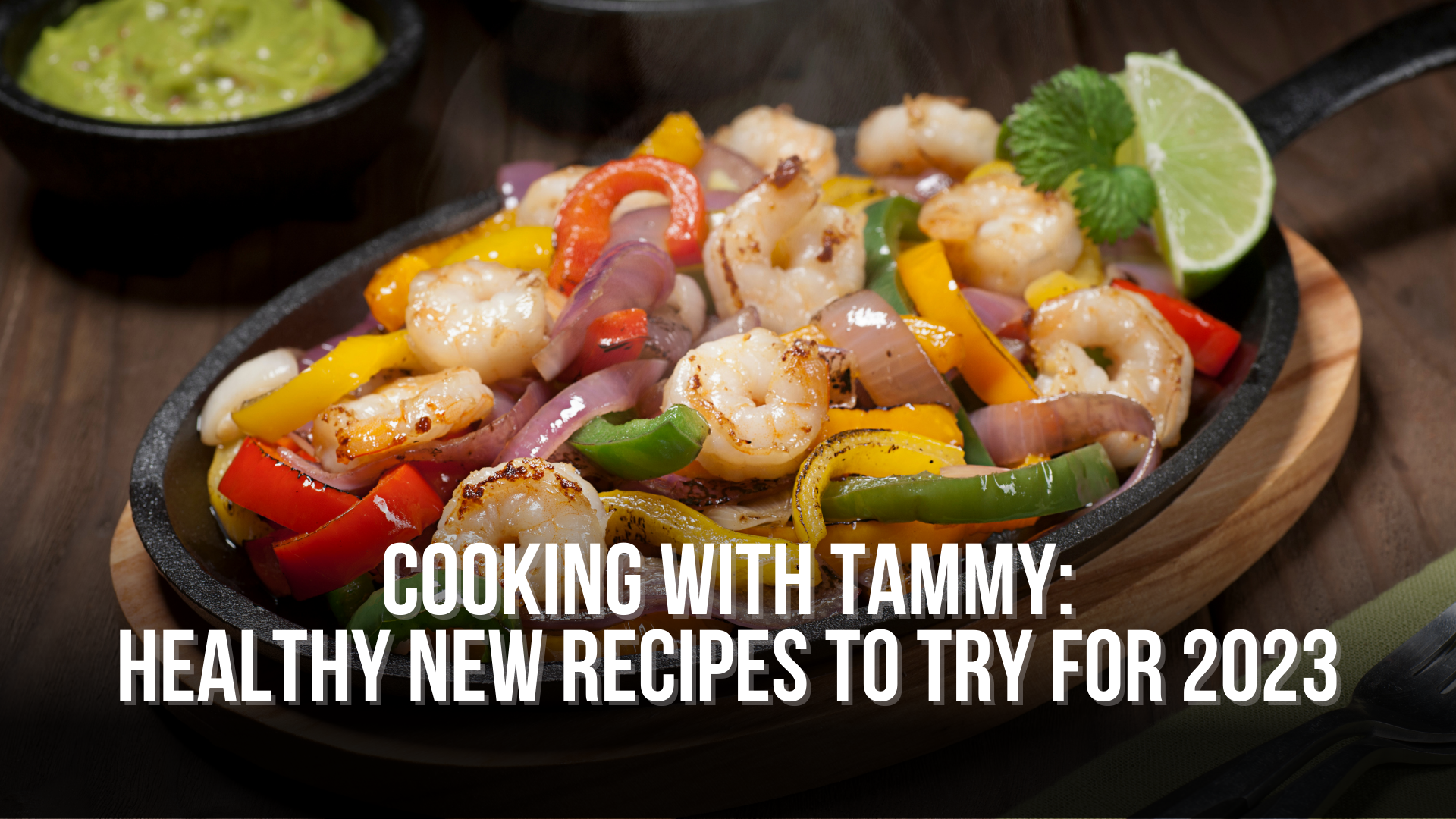
Shrimp and Rice Skillet
2 cloves garlic, minced
1 tablespoon olive oil
6 cups baby spinach, chopped
1 ½ cups long grain white rice
1 ½ teaspoons salt, divided
½ teaspoon garlic powder
½ teaspoon onion powder
1 teaspoon dried dill
¾ pound medium shrimp, deveined and tails off
¼ teaspoon ground cumin
1/8 teaspoon cayenne
¼ cup feta cheese crumbles
Juice of ½ lemon plus lemon wedges for serving
In a large skillet, heat the olive oil over medium heat. Add the minced garlic and sauté 1 minute, do not brown. Add spinach and cook until it wilts, about 2 minutes.
Add 3 cups water and bring it to a boil; then reduce to a simmer. Add the rice, 1 teaspoon salt, garlic powder, onion powder and dried dill. Once it is simmering, cover and cook for about 12 minutes, uncovering and checking occasionally to be sure the heat is not higher than a simmer.
Meanwhile in a medium bowl, mix the shrimp with the cumin, cayenne and ½ teaspoon salt.
After 12 minutes, check to make sure the water is completely cooked out. Set the heat to low and add the shrimp to the top. Cover and cook on low for 7-10 minutes, until the shrimp is opaque, do not overcook.
To serve, squeeze the lemon juice on top and sprinkle with feta cheese. Add a sprinkle of salt. Garnish with lemon wedges and serve.
Sheet pan Chicken and Vegetables
For the Chicken
4 boneless, skinless chicken breasts
2 tablespoons olive oil
2 teaspoons smoked paprika
1 teaspoon garlic powder
1 teaspoon onion powder
¼ teaspoon cumin
¼ teaspoon dried dill
2 teaspoons salt
Freshly ground black pepper
For the Vegetables
2 heads broccoli, trimmed into florets
1 large red onion, sliced
1 ½ pounds baby potatoes, halved
1 tablespoon olive oil
1 ½ teaspoon salt
½ teaspoon garlic powder
Freshly ground black pepper
1 cup cherry tomatoes
Chopped parsley and Parmesan cheese, for garnish
Lemon wedges, optional for garnish
Preheat the oven to 425 degrees. Lightly grease a large sheet pan with olive oil.
In a medium bowl, combine the chicken breasts with the marinade ingredients, olive oil, garlic powder, onion powder, smoked paprika, cumin, dried dill, salt, and freshly ground black pepper. Toss until the chicken is well coated. Let rest for at least 15 minutes while preparing vegetables.
On the prepared sheet pan, arrange the broccoli florets, sliced red onion, and halved baby potatoes in s single layer. Drizzle with olive oil and sprinkle with the salt, garlic powder and freshly ground pepper.
Place the sheet pan in the oven and roast vegetables for 10 minutes. Remove sheet pan from the oven and make space for the chicken breasts among the vegetables. Add the chicken and scatter the cherry tomatoes around the pan.
Return the sheet pan to the oven and bake for 25-30 minutes, until the chicken is lightly browned and the internal temperature reaches 165 degrees when measured with a food thermometer. The vegetables should be tender and caramelized.
Remove from the oven and allow to rest for 5 minutes before serving. Garnish with fresh herbs, if desired.