On journey to southern Africa, Kinston High teacher discovers lessons to share, lessons to contemplate
When friends found out Sabrina Fourré had spent part of her summer in southern African, they asked most about the exotic wildlife that is there in abundance. But the impressions the veteran teacher brought back to Kinston – and to her English classroom at Kinston High School – had less to do with the scenery than with the similarities that unite educators no matter where they teach.
“In teaching, yes, they are stats, there are data and numbers and test scores, but at the end of the day it’s people working together to do what is best for their students and each other,” Fourré said in a recent interview.
Since 1995, the nonprofit Global NC has offered North Carolina educators professional development opportunities that include travel abroad. This past summer, the destination for two groups was southern Africa; and each group included an LCPS teacher, following a similar itinerary but traveling weeks apart. Lily Hartsell, a social studies teacher at EB Frink Middle School, went with the early group and returned at the end of June, only to leave again for another, unaffiliated educational trip to Poland.
For Fourré, her journey as part of a 31-teacher Global Teachers Fellowship wrapped up in July. Her memories of South Africa, Botswana, Zambia and Zimbabwe have hardly dimed, however, with the presentations she’s done about her travels, the fellowship-related project she completed in October for Global NC and perhaps most of all with the work she’s put into incorporating those memories into lessons for her Kinston High students.
In South Africa, she met with school administrators to discuss their educational platform and plans for their schools. In Zambia, she taught in high school classrooms and spent time with local teachers who were working to achieve the same goals as she but under considerably different circumstances.
“We take for granted our class sizes and what our principals do to really maximize instruction with our students,” Fourré said. Large classes – more than 50 students in a secondary school class, 60-70 in an elementary school class – combine with limited educational resources in southern Africa to create a dynamic that shapes teachers and students alike
When the Kinston teacher stepped to the front of a class of 12th graders at a Zambian school, she asked the students to pick the topic. “There was a resounding echo in the room that they cared about their education because they want to have better opportunities,” Fourré remembered. “The thinking seems to be that their families have gotten them to this point and now they want to take it to the next level. Unemployment is ridiculously high in many of the places we went. The chance of finding a job is ridiculously challenging. These students have to have an education in order to put their best foot forward.”
Consequently, students in the schools Fourré visited appeared “to come to class to learn” and the teachers appeared ready to go to great lengths to help them. “There is strong cultural support to help every student learn when the class sizes are that big. It was a very big communal effort to work with all the resources available and do their best within the class period,” Fourré said.
Volunteers help, even the volunteer help of a group of educators from North Carolina, and so does a natural tendency toward cooperation – on a scale that to Fourré approached a sense of shared humanity. In Africa, the philosophy is known as Ubuntu, meaning “I am because we are.” In other words, a person is a person through other people.
“It’s the idea that our shared humanity is directly impacted and impacts each other,” Fourré said. “Working together is the best way to support each other within a classroom or within a culture. The resiliency and creativity of educators surpasses a lot of obstacles when people are working together as a team.”
Back in her own Kinston High classroom, a teacher in her 14th year works in the familiar territory of manageable class sizes and the benefits of technology. But she also hasn’t fully left southern Africa. Pieces of what she saw and learned this summer are shaping creative lessons.
“For the curriculum I have created, students will study how memoirists use powerful openings to introduce identity, place, culture, conflict and voice,” Fourré said.
“The primary texts will include excerpts from the Preamble to the Constitution of South Africa, Nelson Mandela’s ‘Long Walk to Freedom,’ Trevor Noah’s ‘Born a Crime’ and Elizabeth Nyamayaro’s ‘I am a Girl from Africa.’ I want our discussions to come back to the question, ‘Why does this story matter beyond the person who experienced it?’ The point is to build empathy and connections through shared experiences that my students can relate to.”
And back home, the teacher can consider what she learned herself. She is more appreciative of the opportunities her family gave her when they chose to immigrate from Italy. She values the network of like-minded teachers who congealed around the shared experiences of summer travel and hands-on activities, a network that Fourré felt had, for her, diminished over the years due to the disruption of the pandemic and the responsibilities of motherhood.
“Part of applying for this program was recreating a network that did focus on something that is truly important to me, which is globalizing education,” she said. “That really did work out. There was a lot of self-reflection in the process that helped me evaluate my role as a teacher. It was a very rewarding process to reconnect to my ‘why.’”
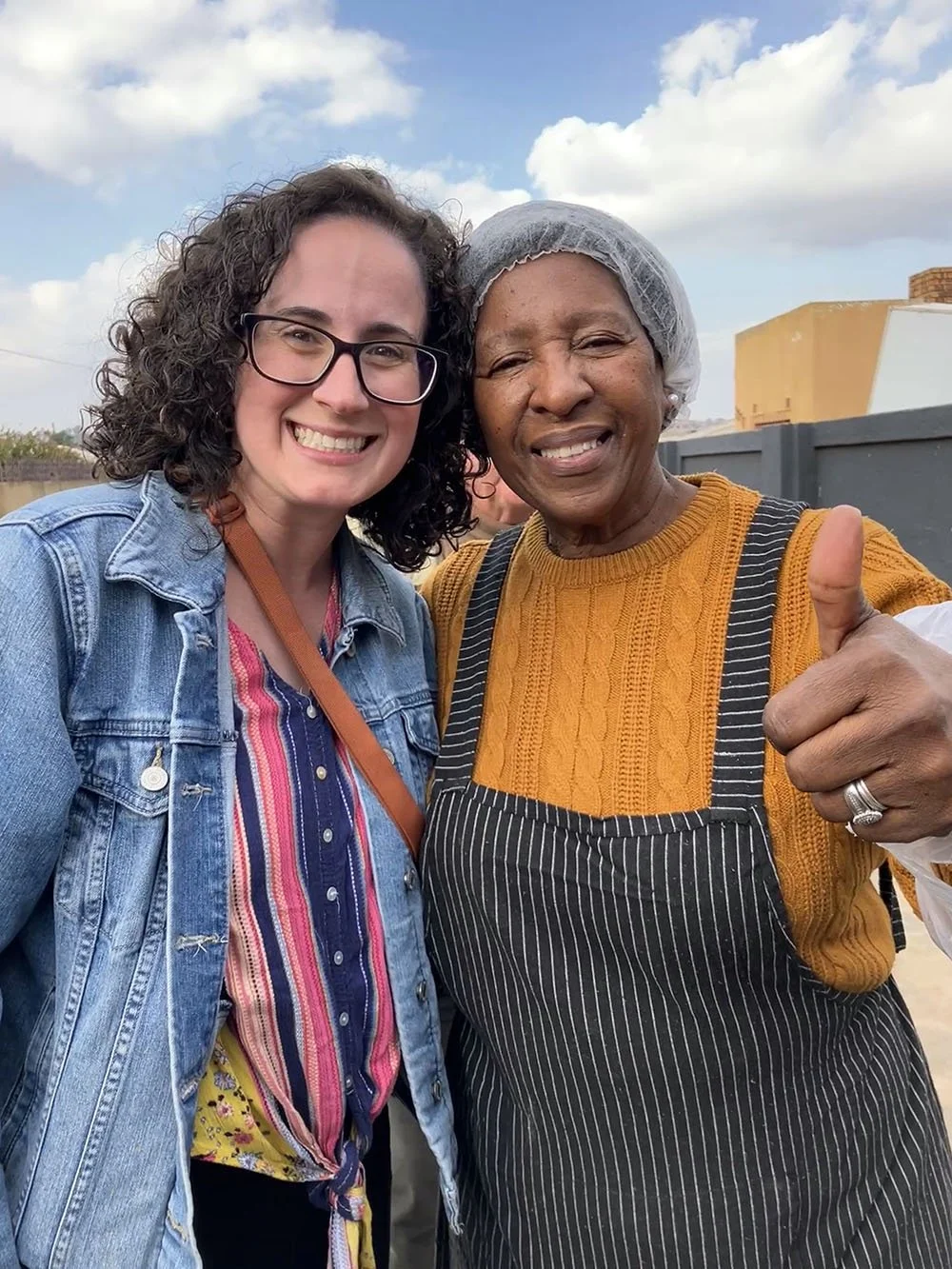
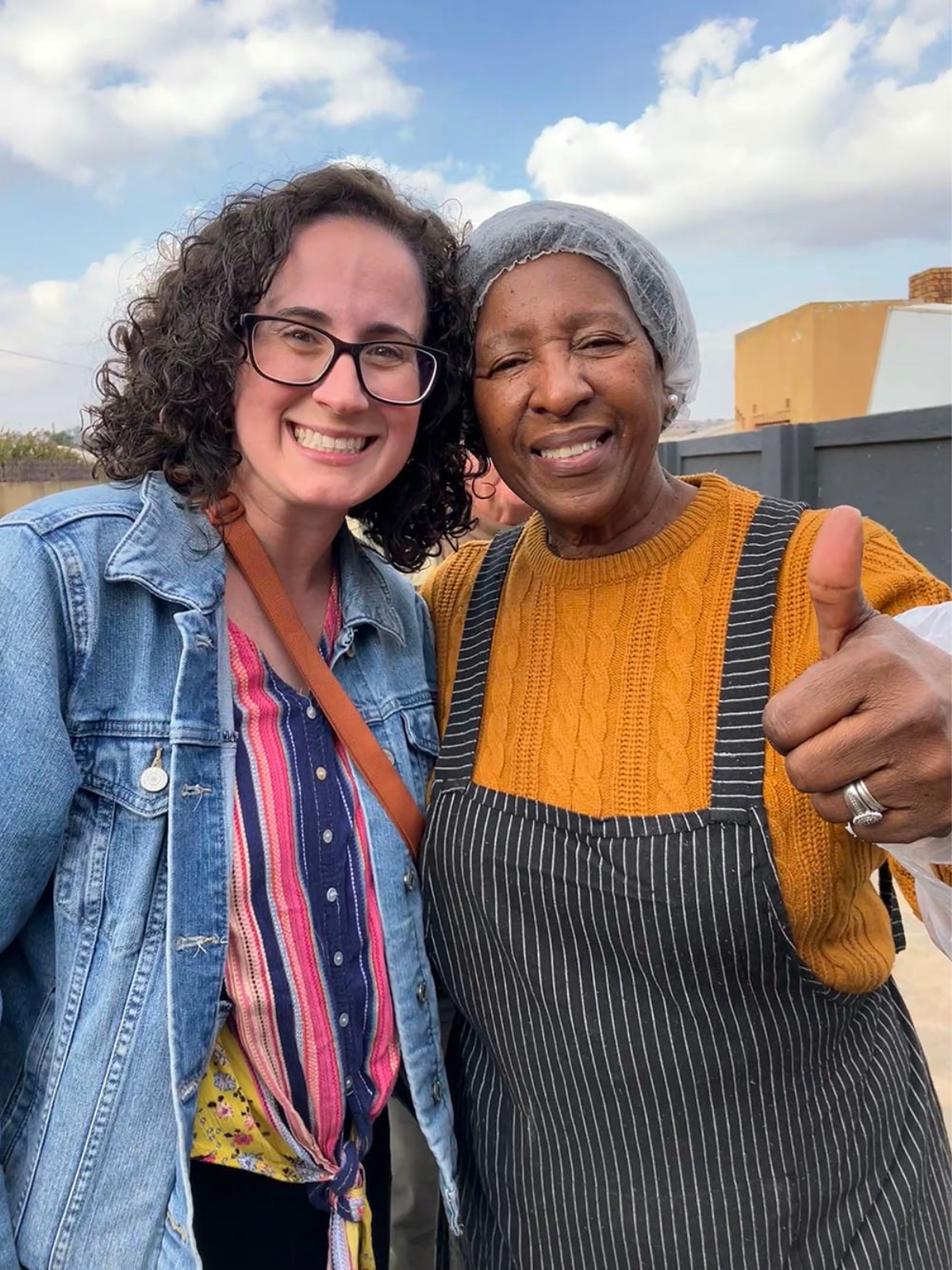
For Sabrina Fourré, an English teacher at Kinston High School, one of many memories of her professional development adventure to southern Africa as part of Global NC’s Global Teachers Fellowship – visiting in Soweto, South Africa, with Chef Alina, founder of ‘Chez Alina,’ an award-winning restaurant that offers entry-level employment to young people in order to teach them employability skills and build their confidence.