
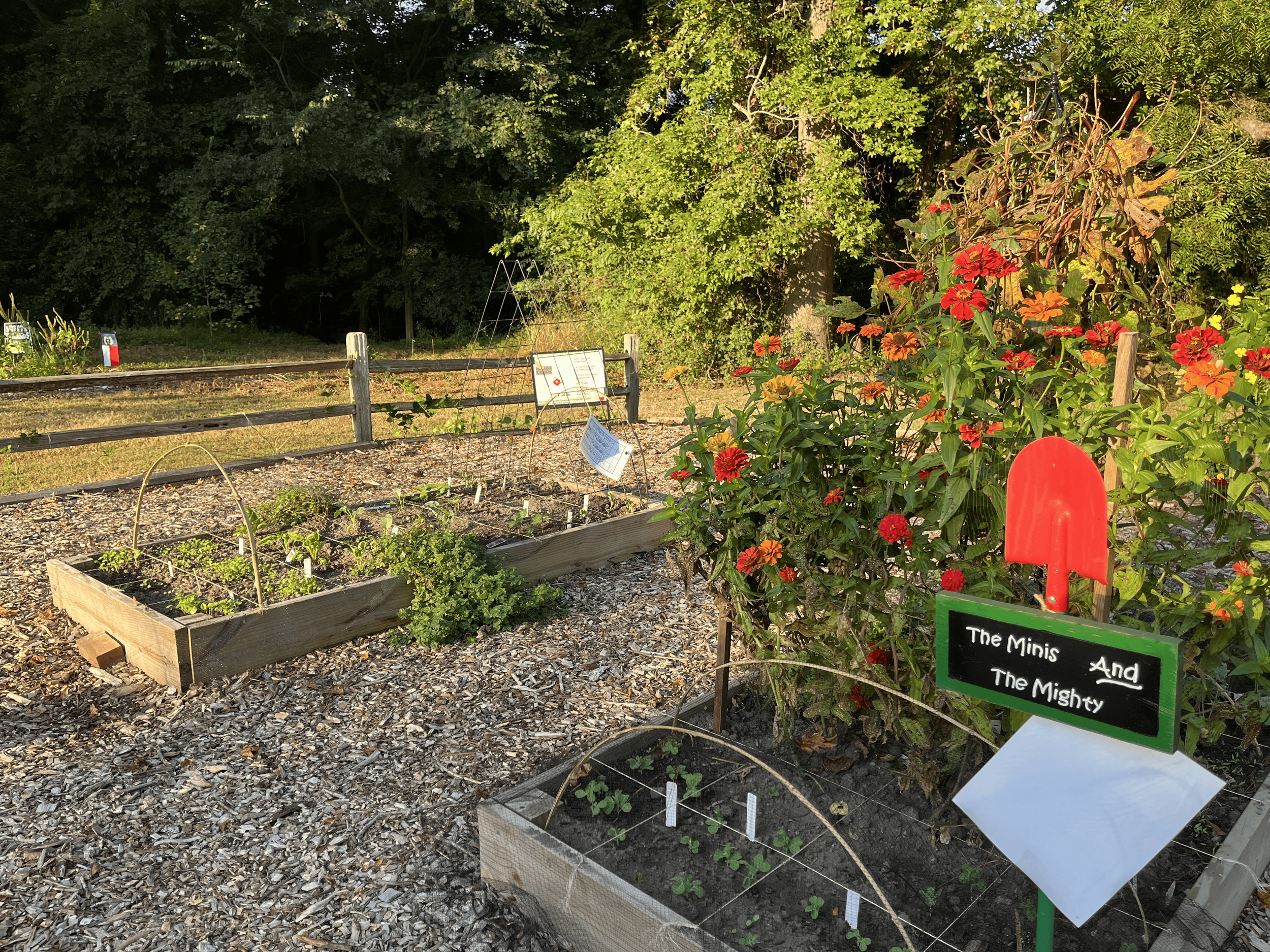
Where Heirlooms & History Meet the Garden in Our Community
The Children’s Garden at the Caswell Memorial State Historic Site, maintained by the Extension Master Gardener Volunteers of Lenoir County (EMGV), continues to flourish as a vibrant outdoor classroom for learners of all ages in our community. Over the past few years, this space has developed and continues to grow into a hub for learning about horticulture and nature, life-skills, teamwork and much more using methods of hands-on learning, exploration, and connection.
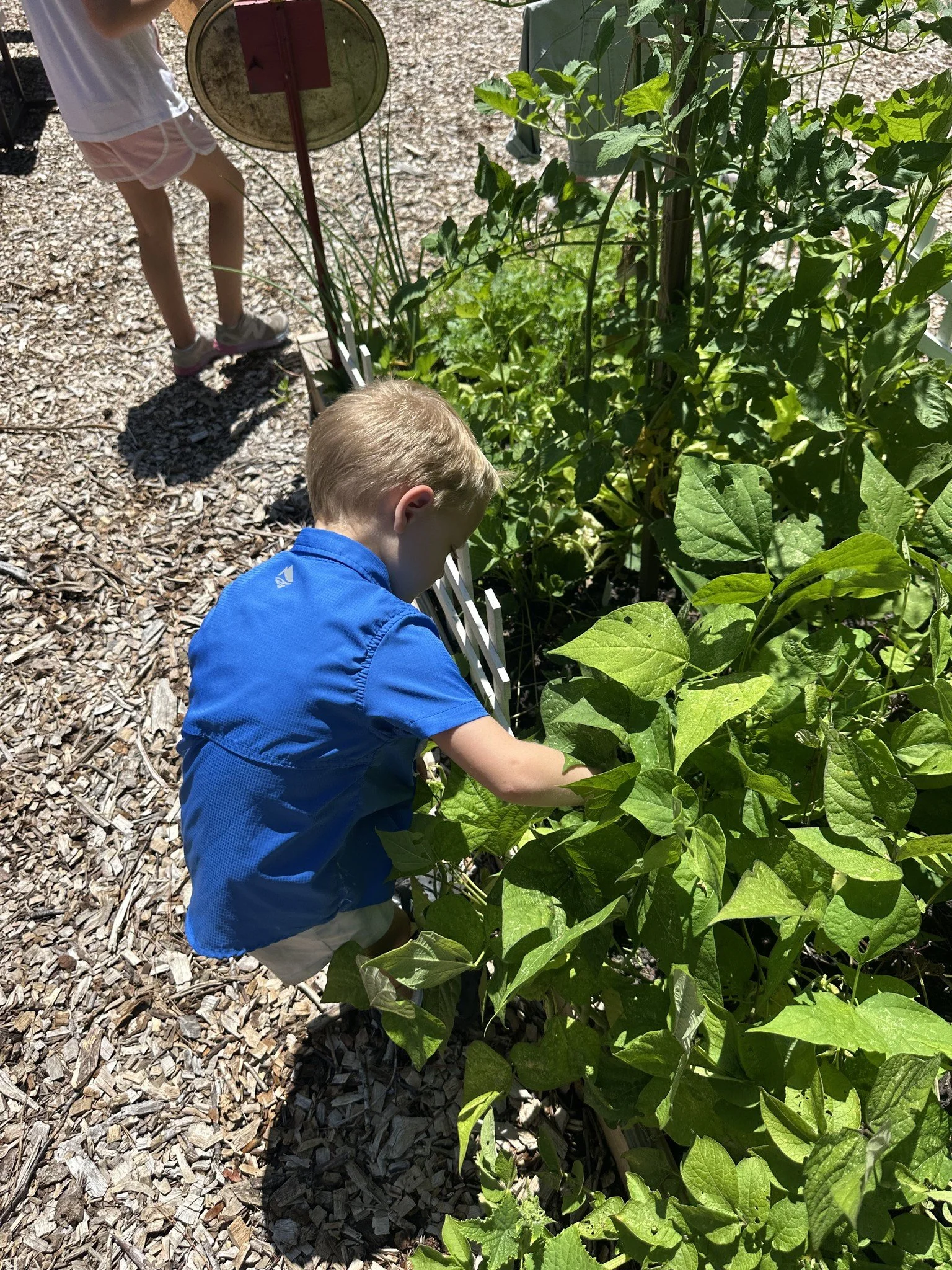
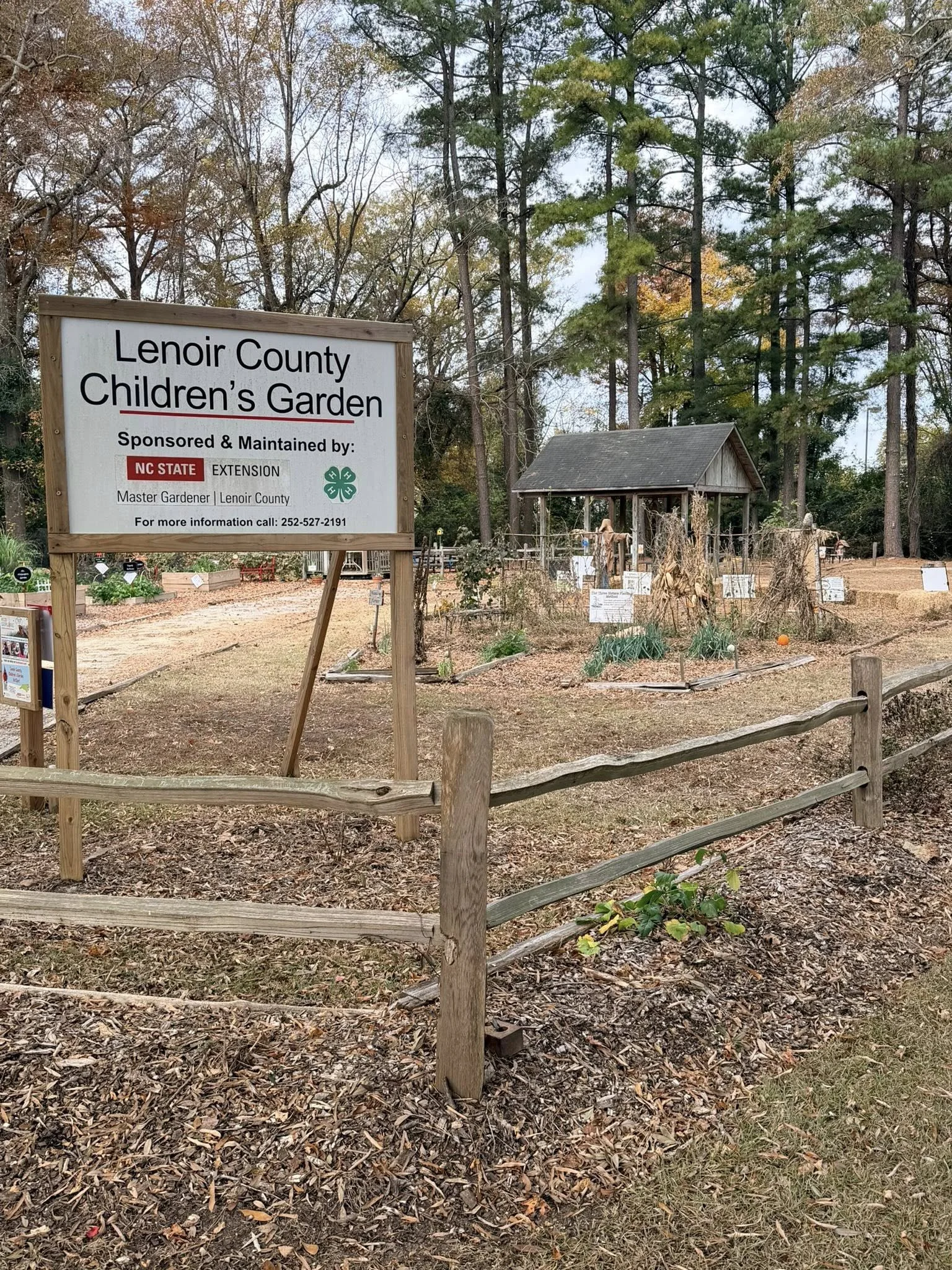
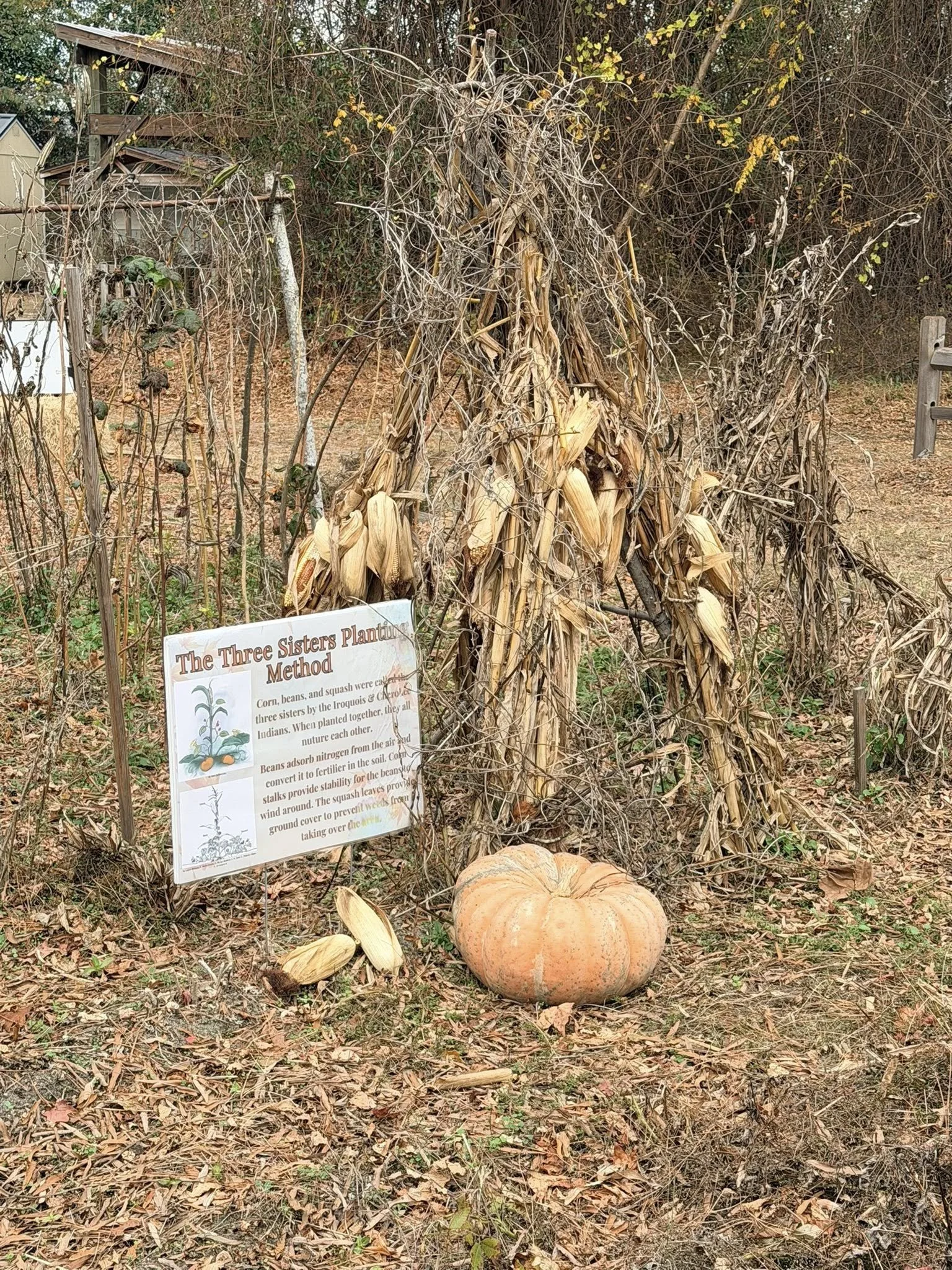
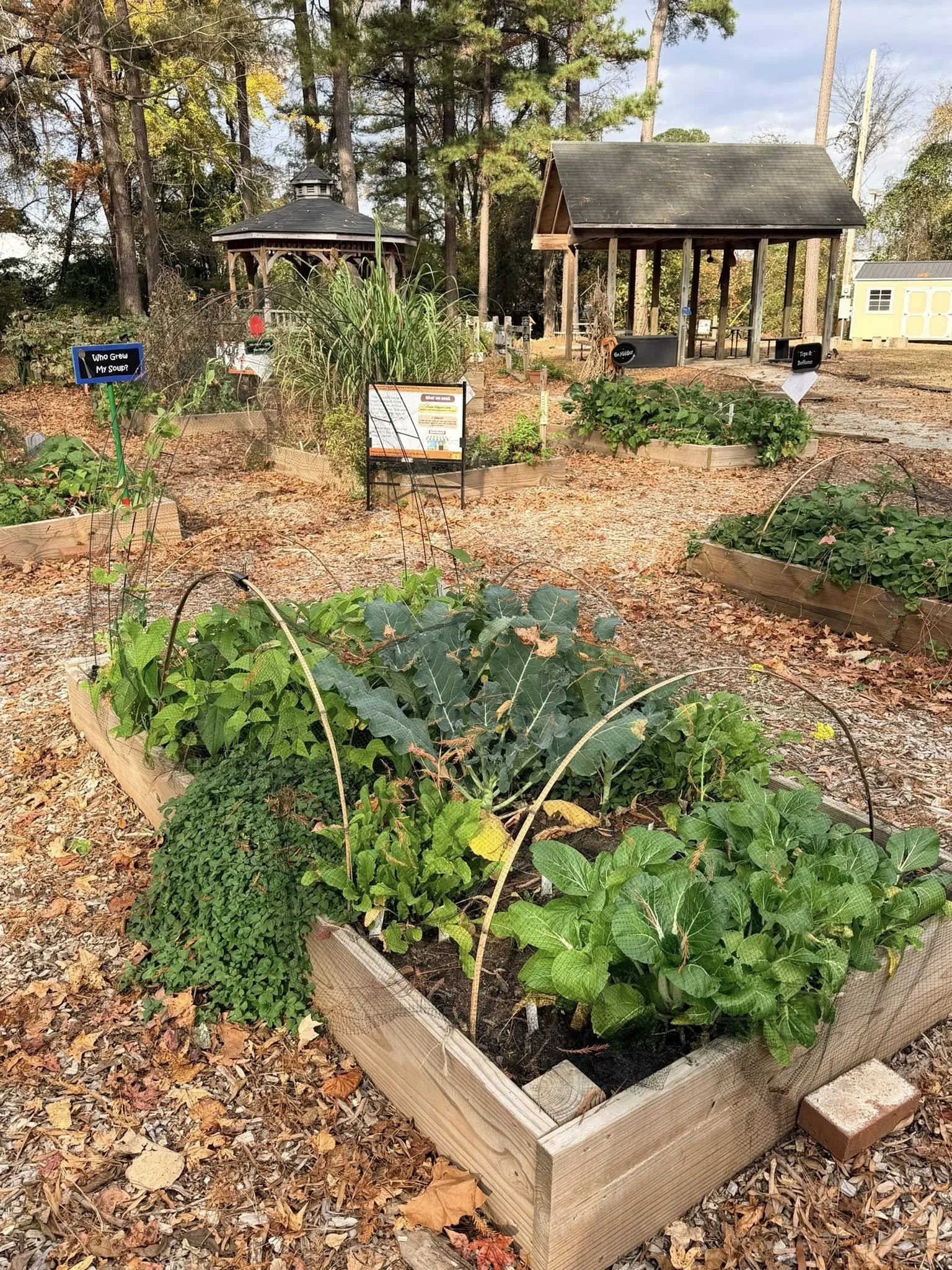
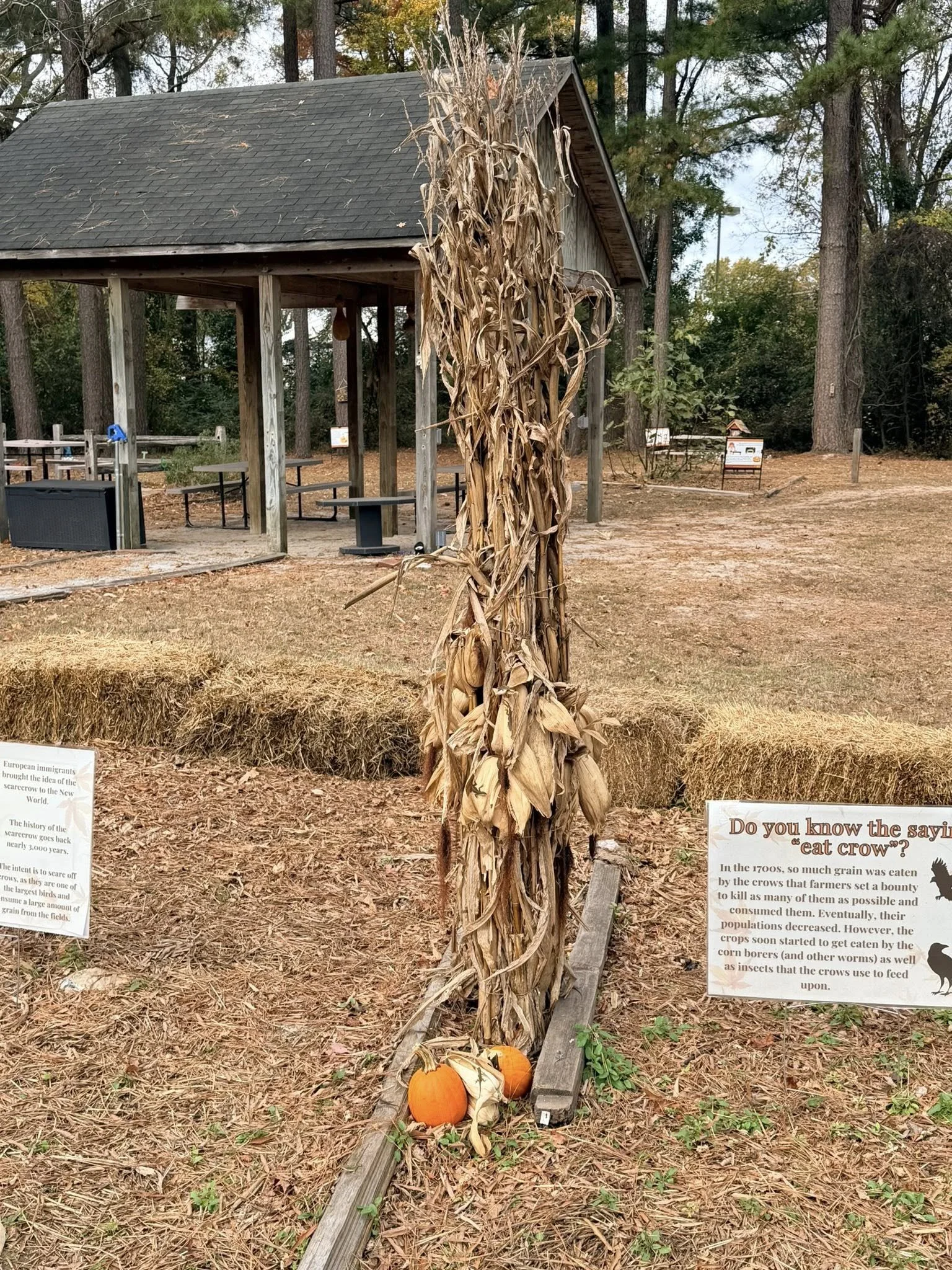
From the moment visitors step into the garden space, learning begins. A StoryWalk, provided by funds through NCSU Steps to Health Program, winds around the entire space, guiding children on a literary journey. The story featured this summer featured friends learning how to grow a tomato from seed to fruit. This fall the story has featured the same friends learning how to grow a pumpkin, seed to fruit, and make a pie to share with friends. Each story was written and created by our Consumer Horticulture Agent, Paige Petticrew, and features a personal touch!
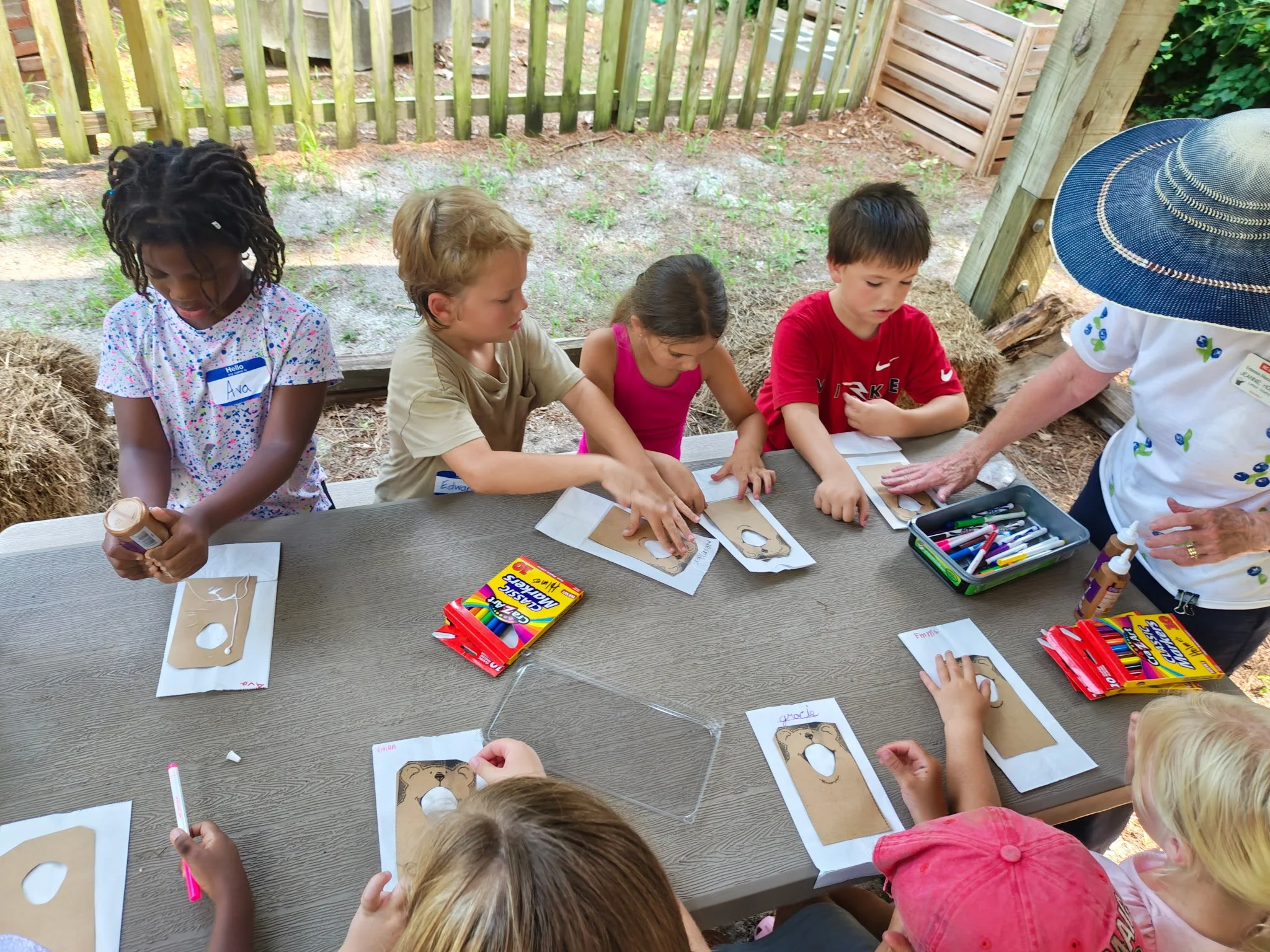
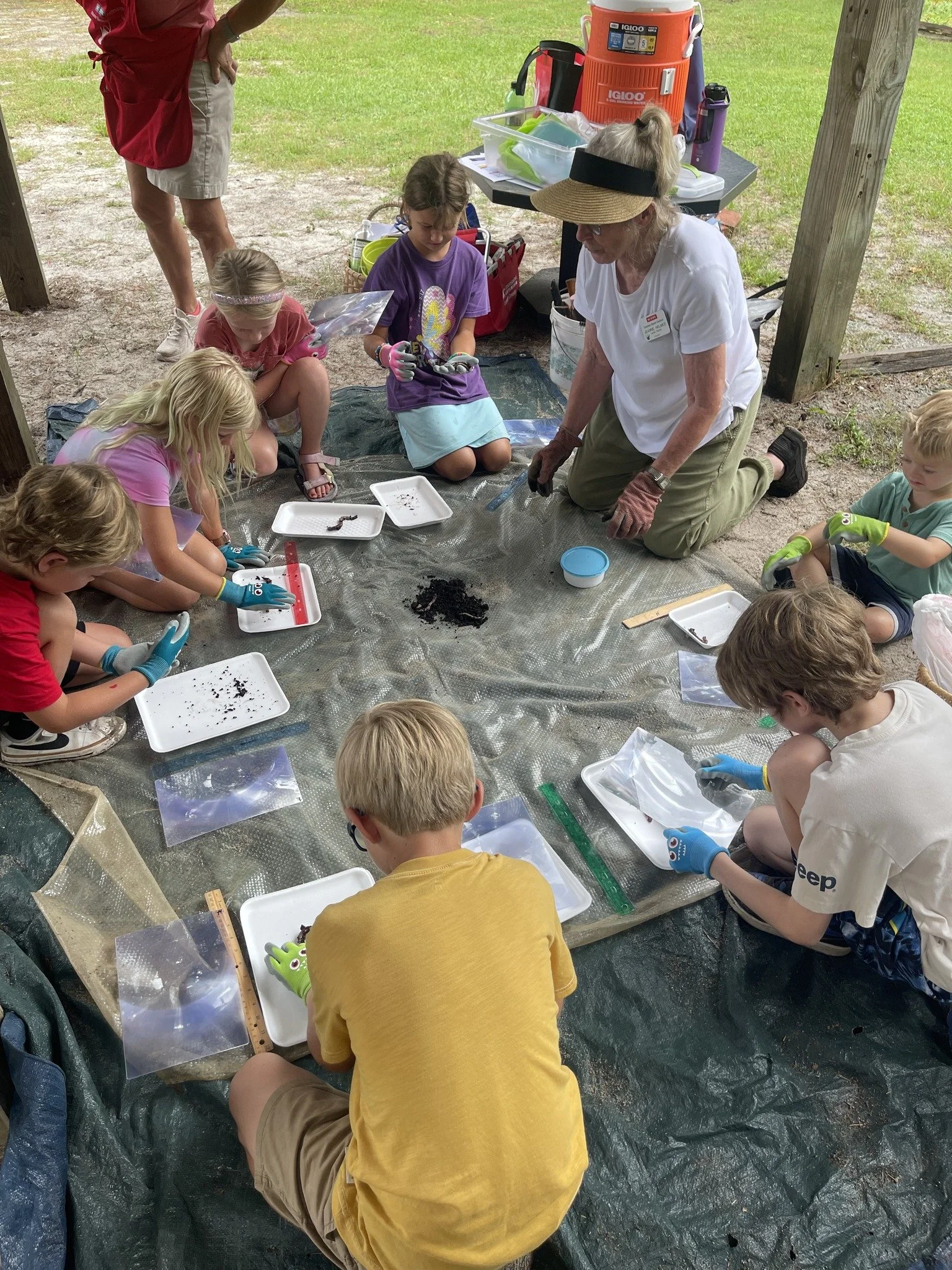
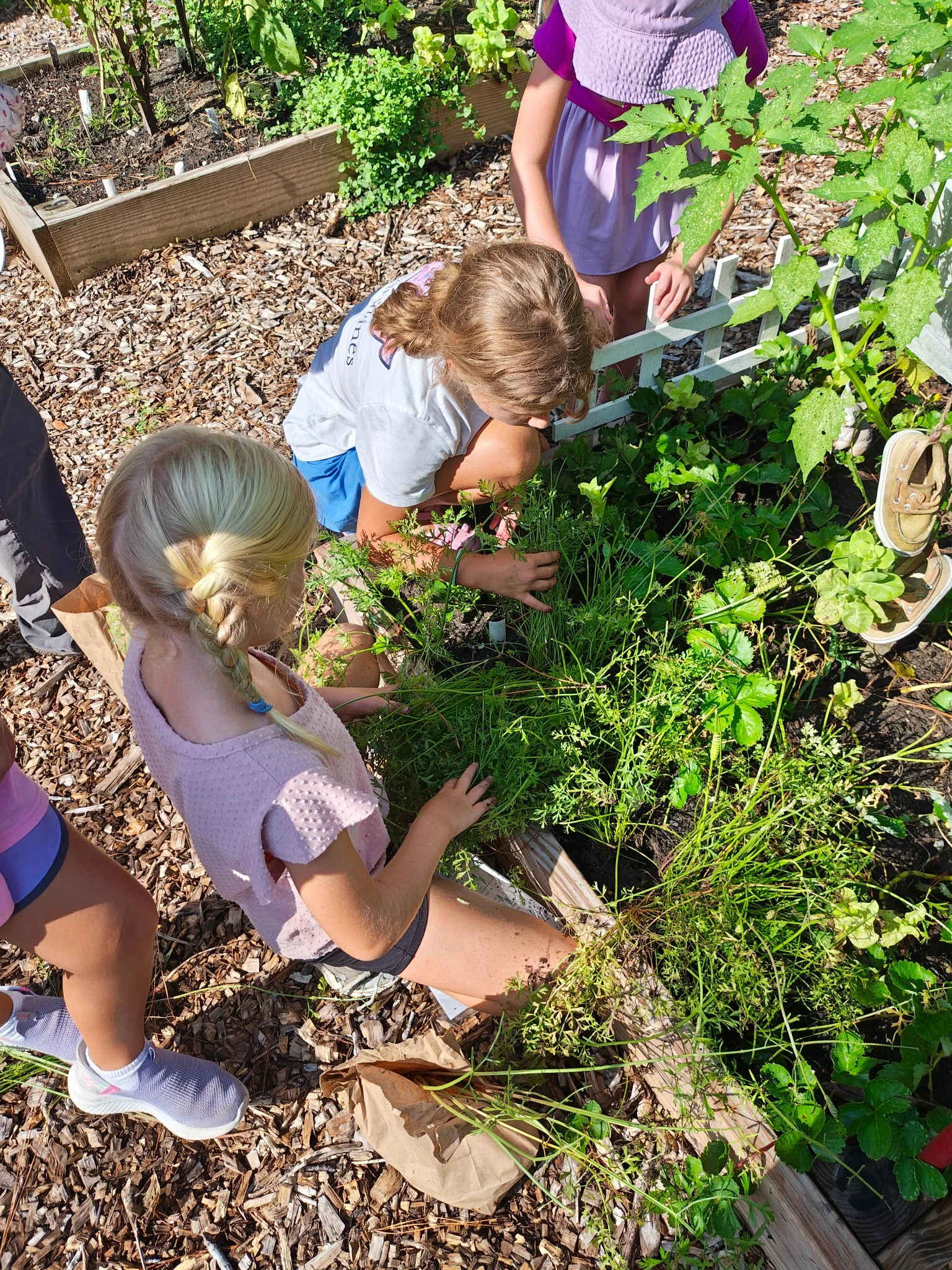
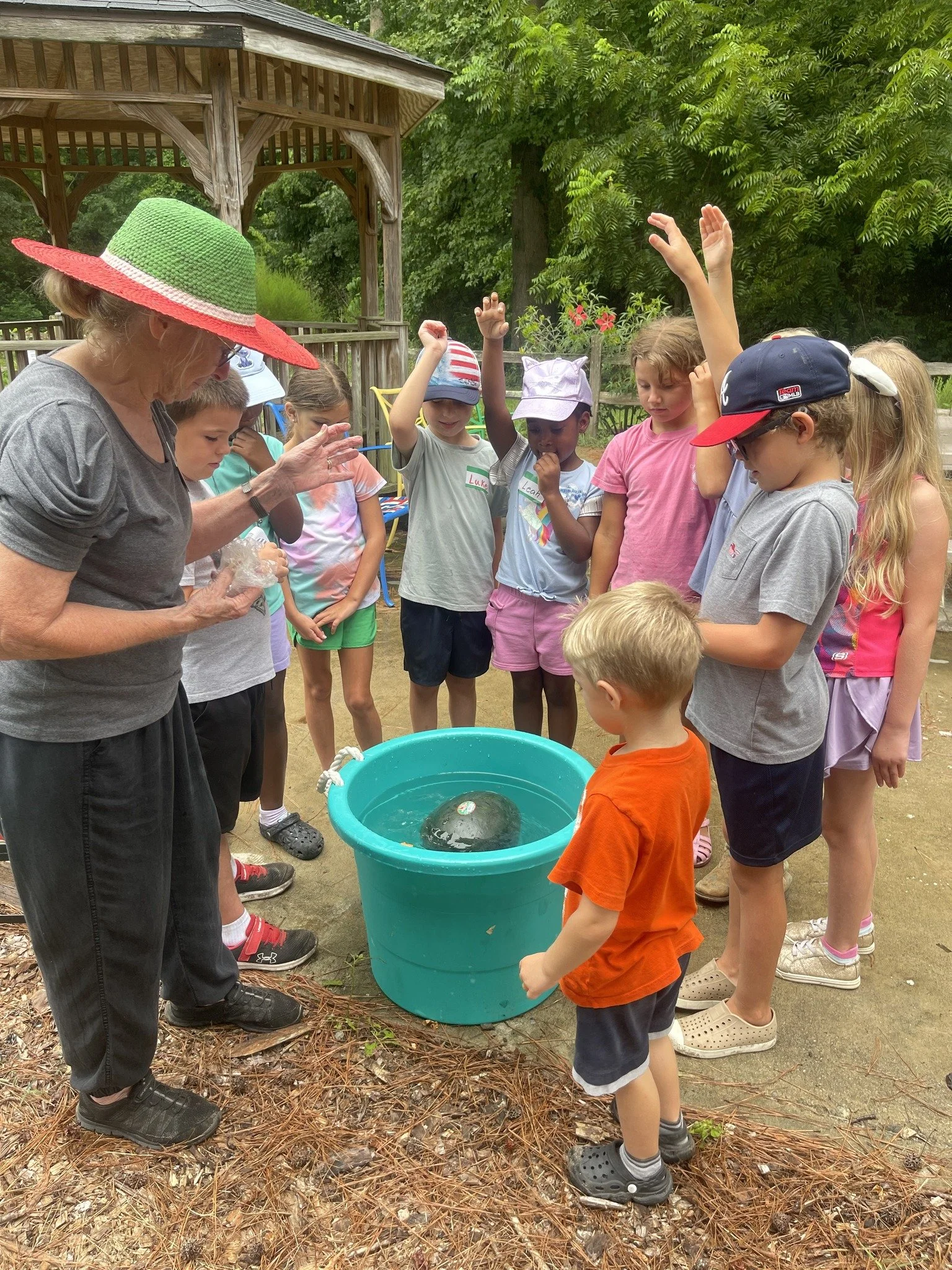
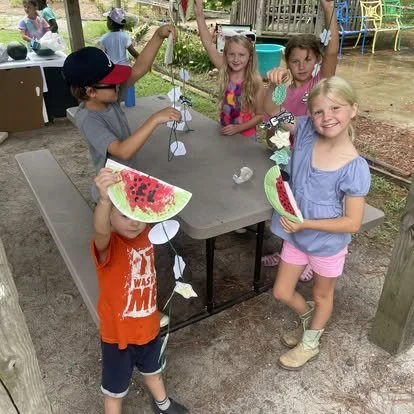
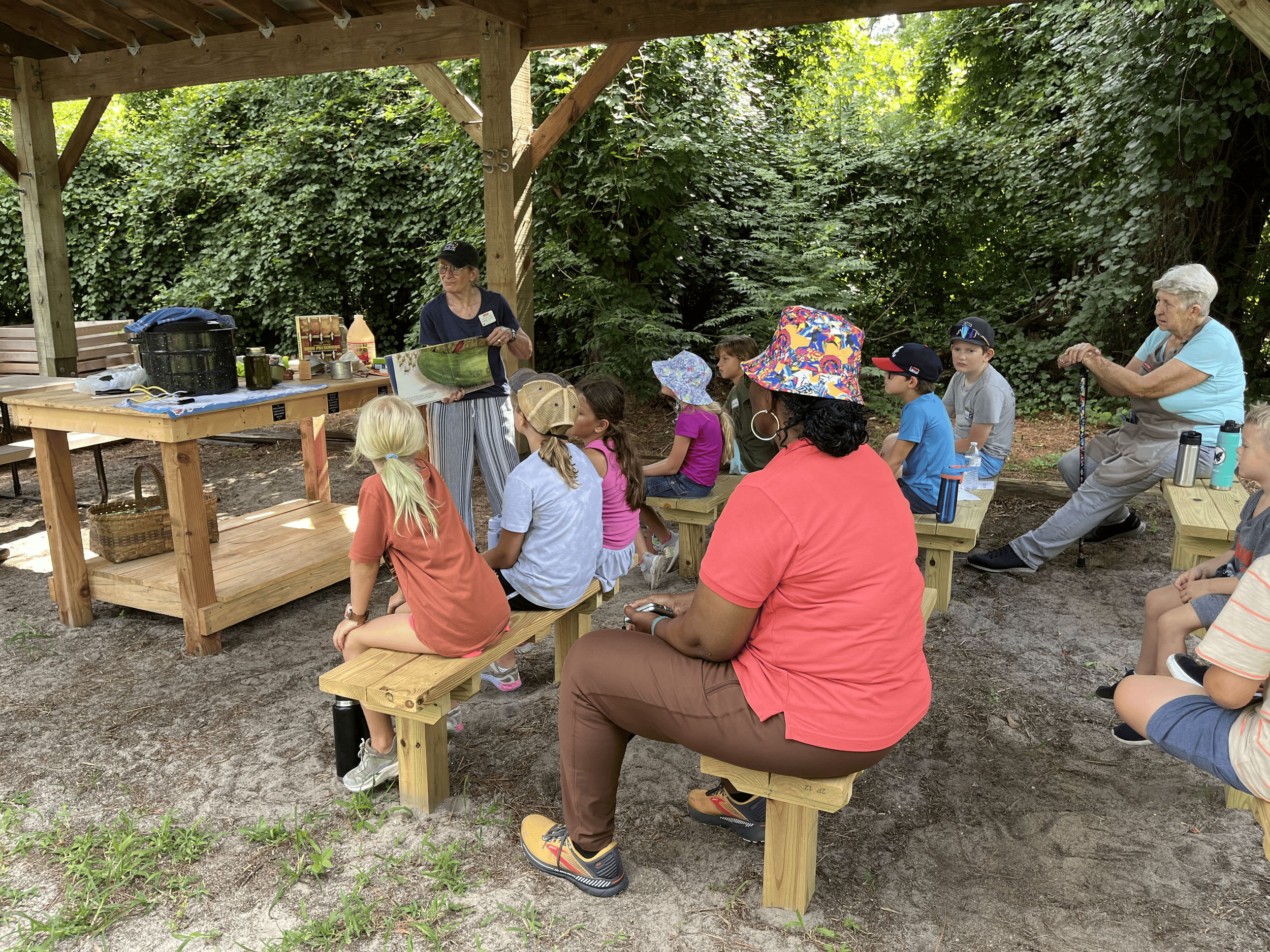
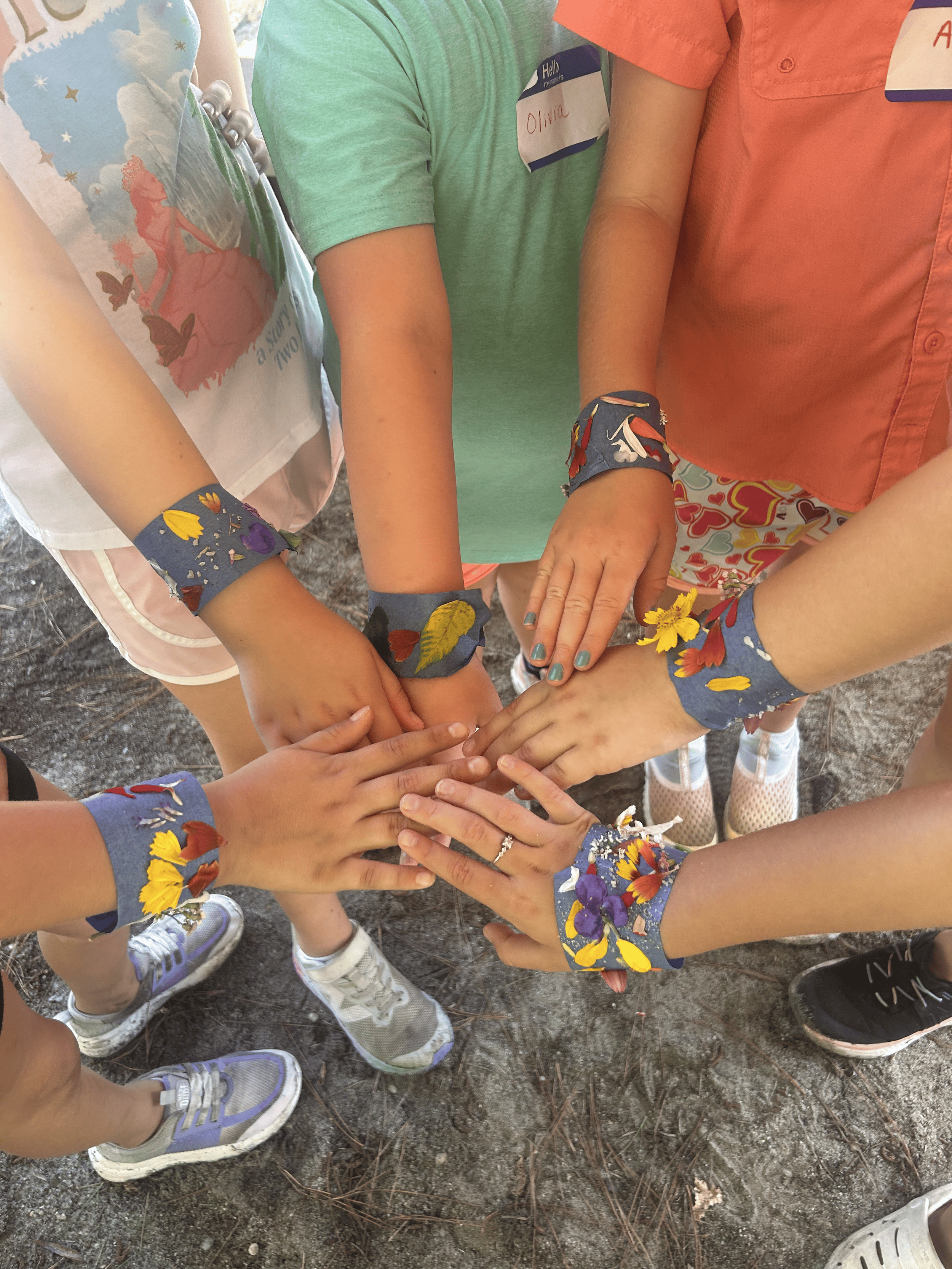
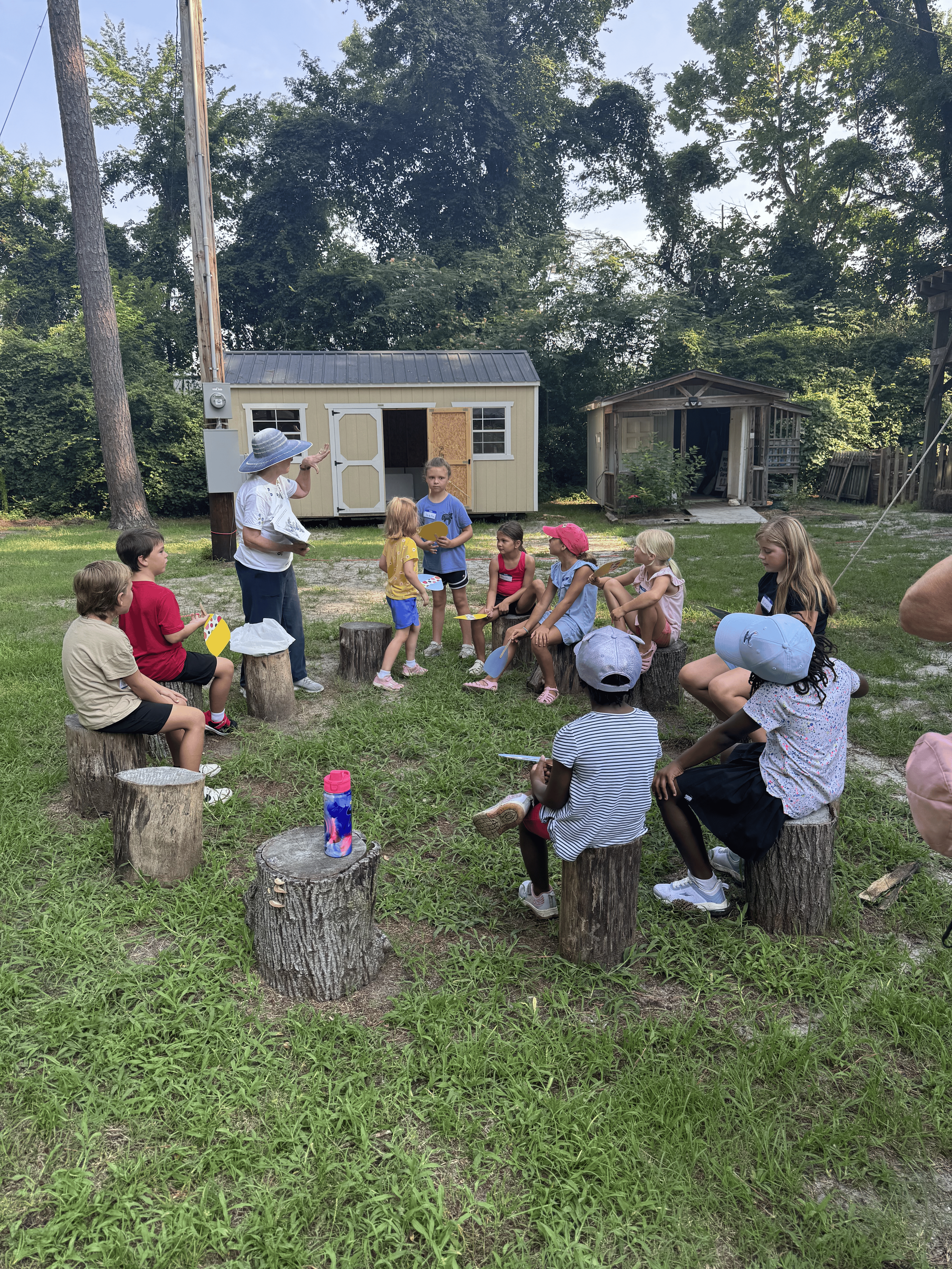
Across the garden, small gathering spots provide flexible areas for crafts, story time, and interactive lessons. In under a year and a half from the ribbon cutting, the garden has hosted summer camps, youth workshops, and informal tours. Children (and adults) have explored pollinators, plant parts, propagation, insects, and more—all through real gardening experiences.
Historic Connections in the Row Garden
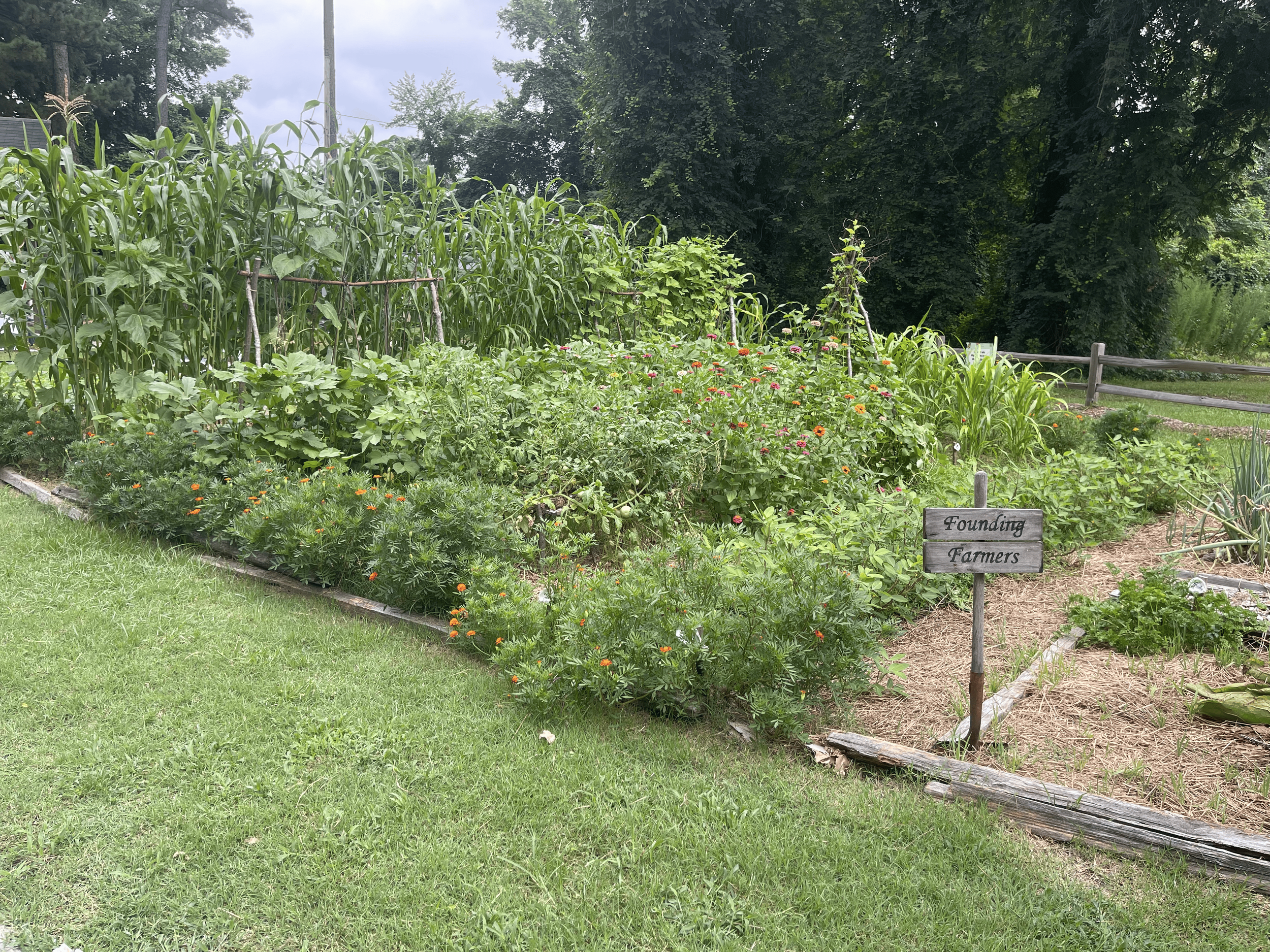
One of the highlights of the space this spring and summer included the row garden, where many of the plants have historical significance dating back to Governor Caswell’s era. Heirloom varieties such as flax, nasturtium, Egyptian walking onions, broom corn, Hopi dye sunflowers, heirloom peas and beans, and even plum-granny melons (Queen Anne pocket melons) were grown and discussed helping children learn how early Americans grew and used plants (Guise, G., 2023).
Traditional tools and methods were also on display, including a tomato table, a branch-style trellis for peas and pole beans, and glass cloches for season extension.
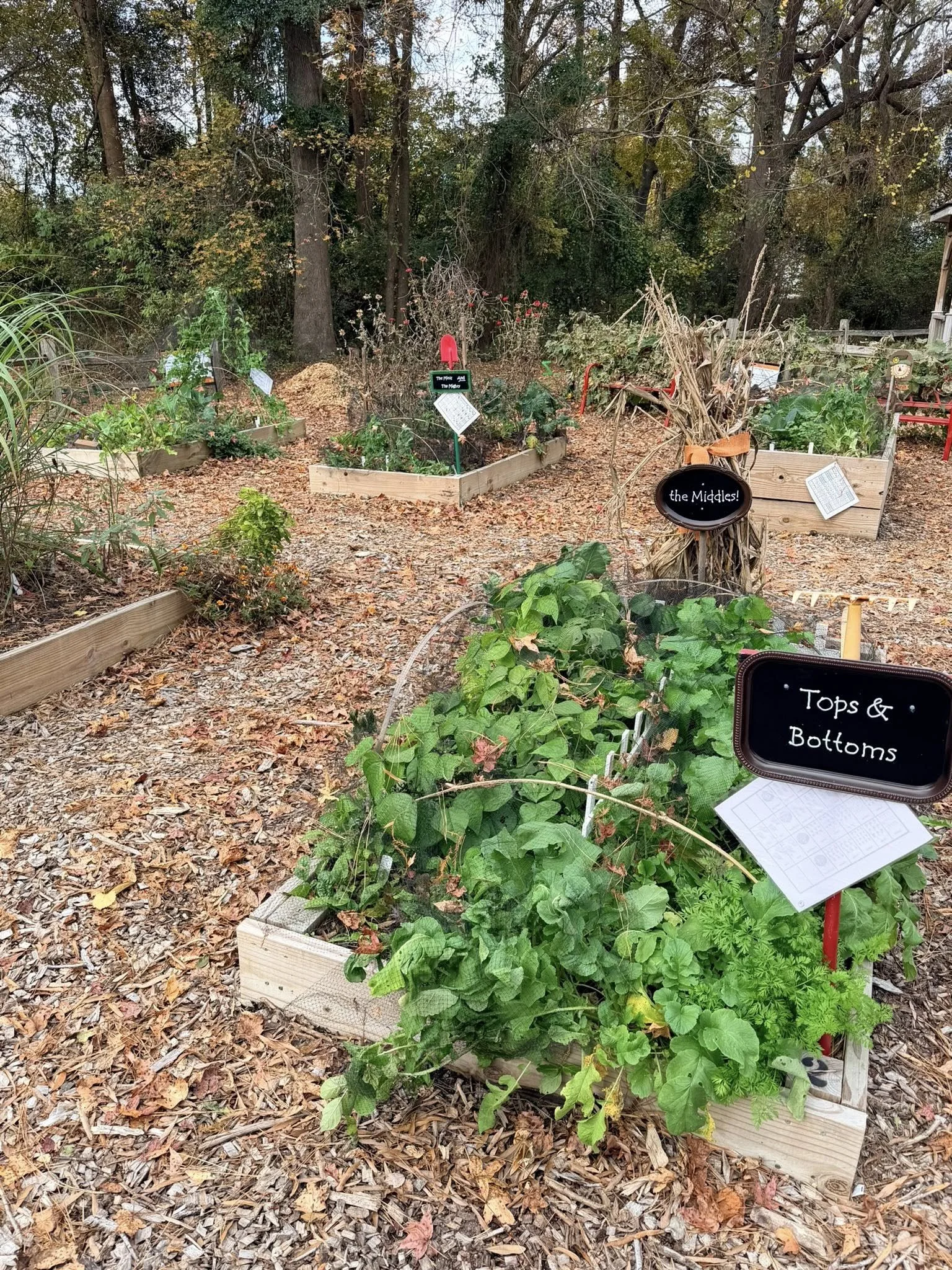
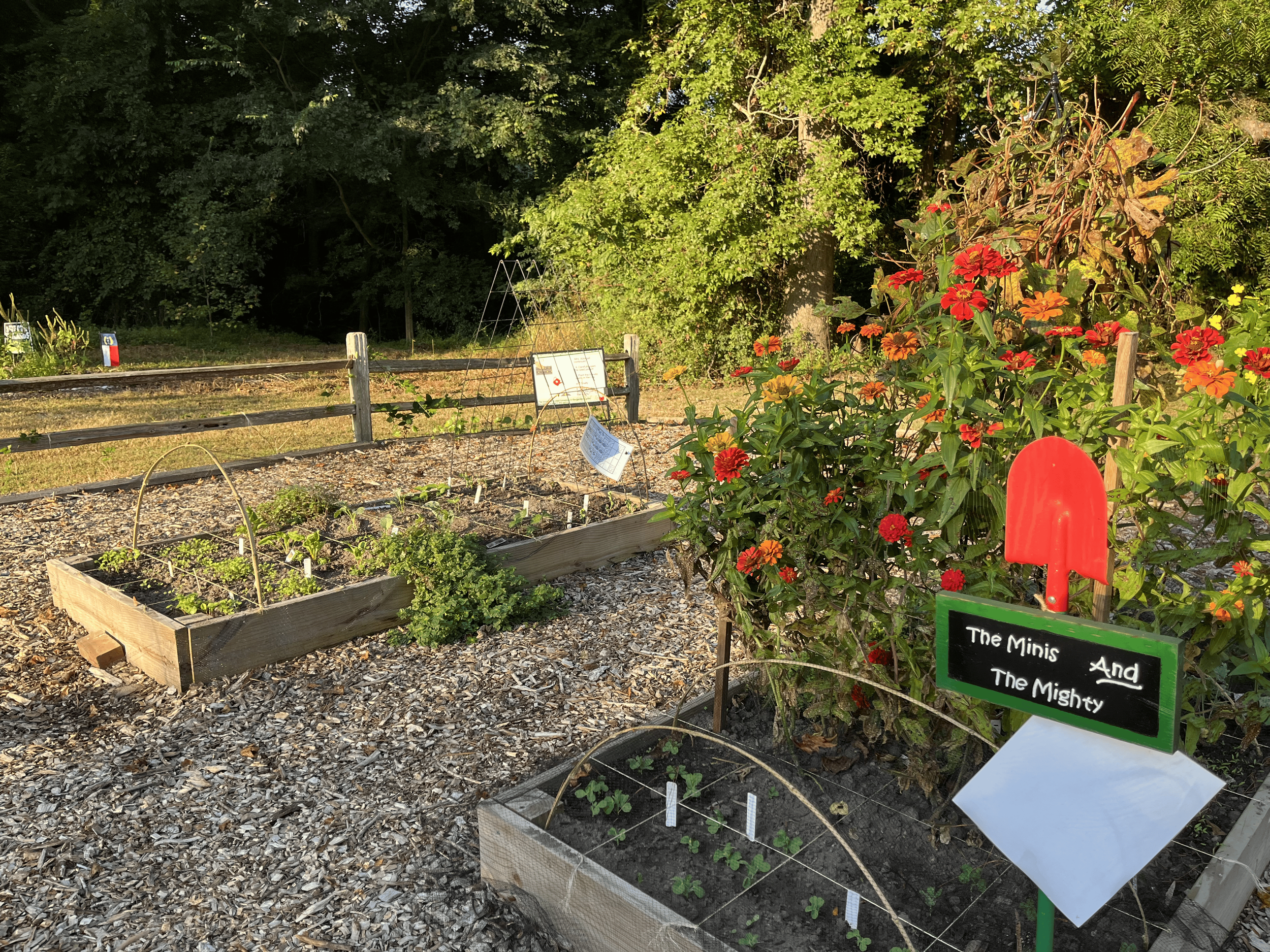
In the fall, the row & raised bed garden areas were transformed as the early-year crops were “finishing.” The raised beds were cleaned out, and the vegetables hanging on until frost remained. Different types of greens (bokchoy, broccoli, cabbage, brussel sprouts), and other items were added in. A bed containing strawberries from the spring was also tidied up to prepare for the winter.
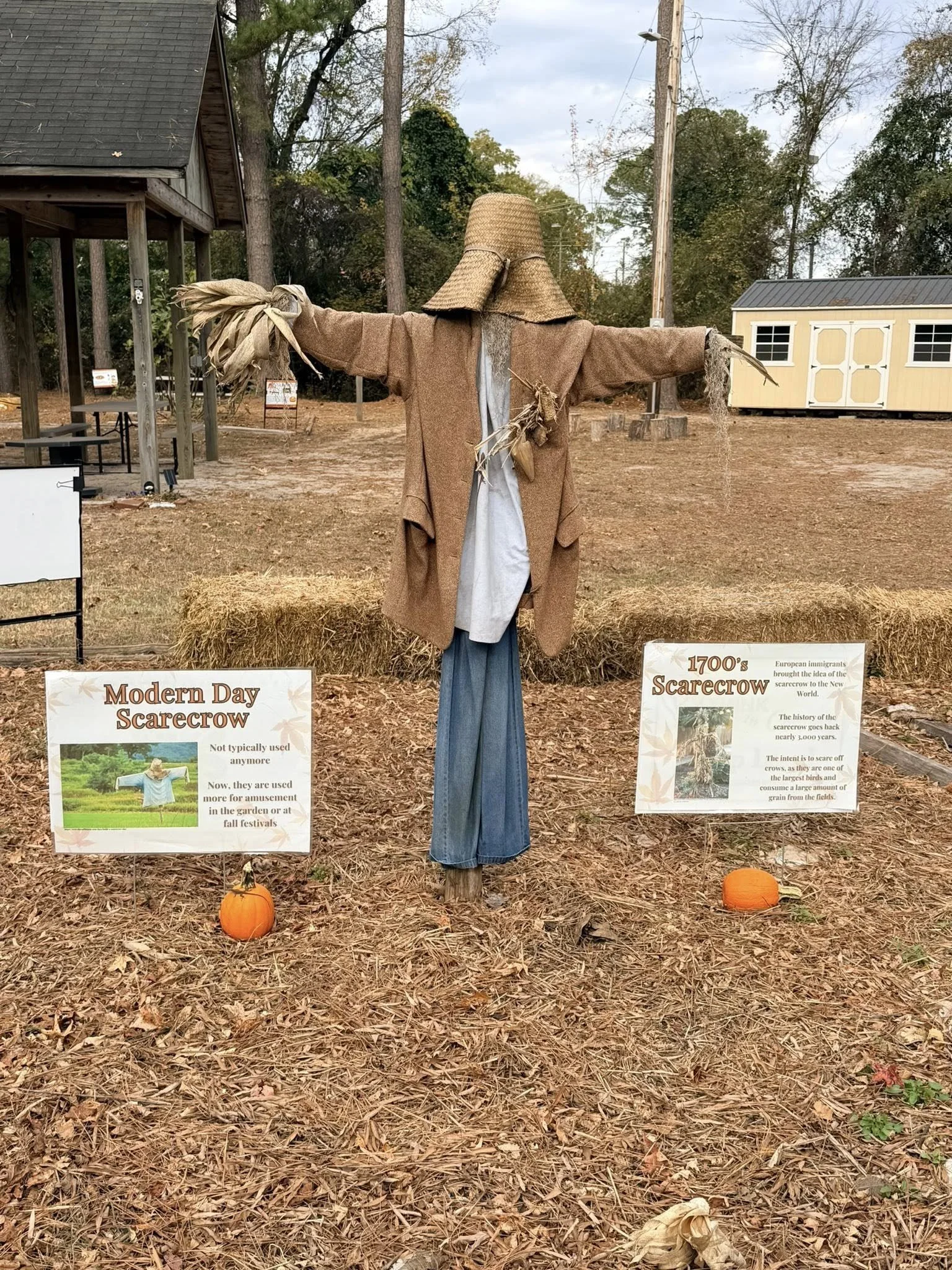
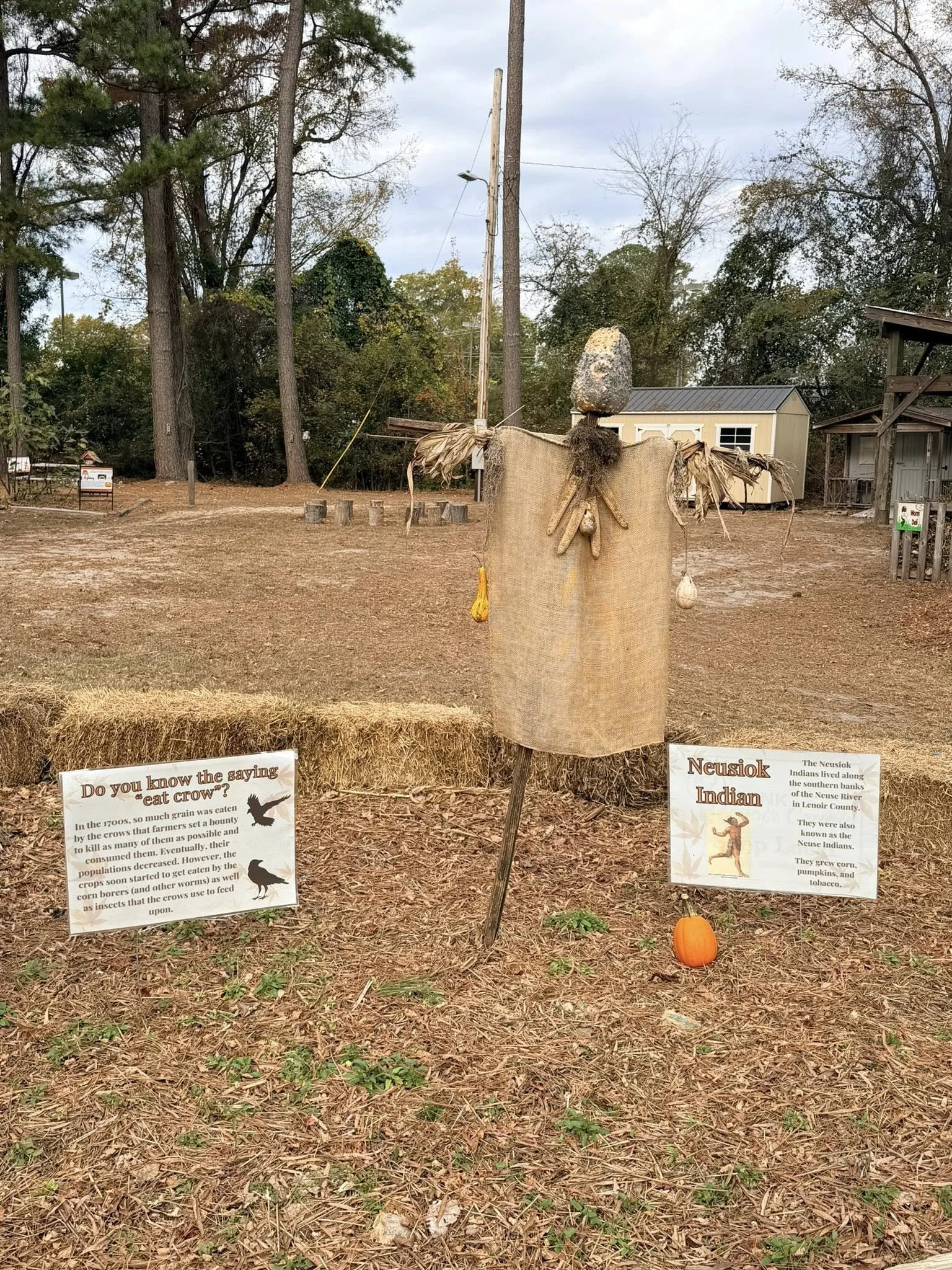
The melon patch became a seasonal scarecrow area that displayed three scarecrows. One represented a member of the Neusiok (also known as the Neuse) Indians, who lived along the southern banks of the Neuse River in Lenoir County and historically grew corn, pumpkins, and tobacco. Another was fashioned as a 1700s style scarecrow made completely out of corn and fashioned to look similar to a person standing. The third scarecrow showcased a modern-style, more decorative and nostalgic, a nod to tradition.
The idea of the scarecrow goes back nearly 3,000 years, ancient farmers, including those along the Nile River, used early scarecrow-like decoys to protect their crops from birds. Its original purpose was practical: to frighten away crows and other grain-eating birds, which could consume large amounts of seed and harvest (Favero, J., 2022). Today, they are mainly for seasonal charm, festivals, or display rather than practical bird-deterrence (Infantree, 2024).
Do you know the saying “eat crow”? In the 1700s and beyond, so much grain was lost to crows that some colonial-era communities even placed bounties on crows to encourage their killing. Over time, crow populations dropped, but a new problem emerged: without crows to eat insect pests, crops became vulnerable to corn borers and other worms and insects, the very pests that the birds had helped control (Zvirovski, J., 2022).
The Three Sisters planting method: planting corn, beans, and squash together, also speaks to a deeply rooted tradition of smart gardening. In that system, corn provides a structure for climbing beans, beans fix nitrogen in the soil (fertilizing the crops naturally), and squash spreads across the ground with large leaves that suppress weeds and help retain moisture in the soil. This method shows how Indigenous gardeners understood and worked with plant communities and soil health long before modern agriculture (Hill, C.G., 2016).
Trying to stay true to the “roots” of the era, EMGV Jeannie Holmes, curator for the Children’s Garden, has spent a lot of time researching the plants that were grown in that time. She has been able to source seed from various historic places that also continue to grow and collect seed to continue sharing the history of our founding farmers.
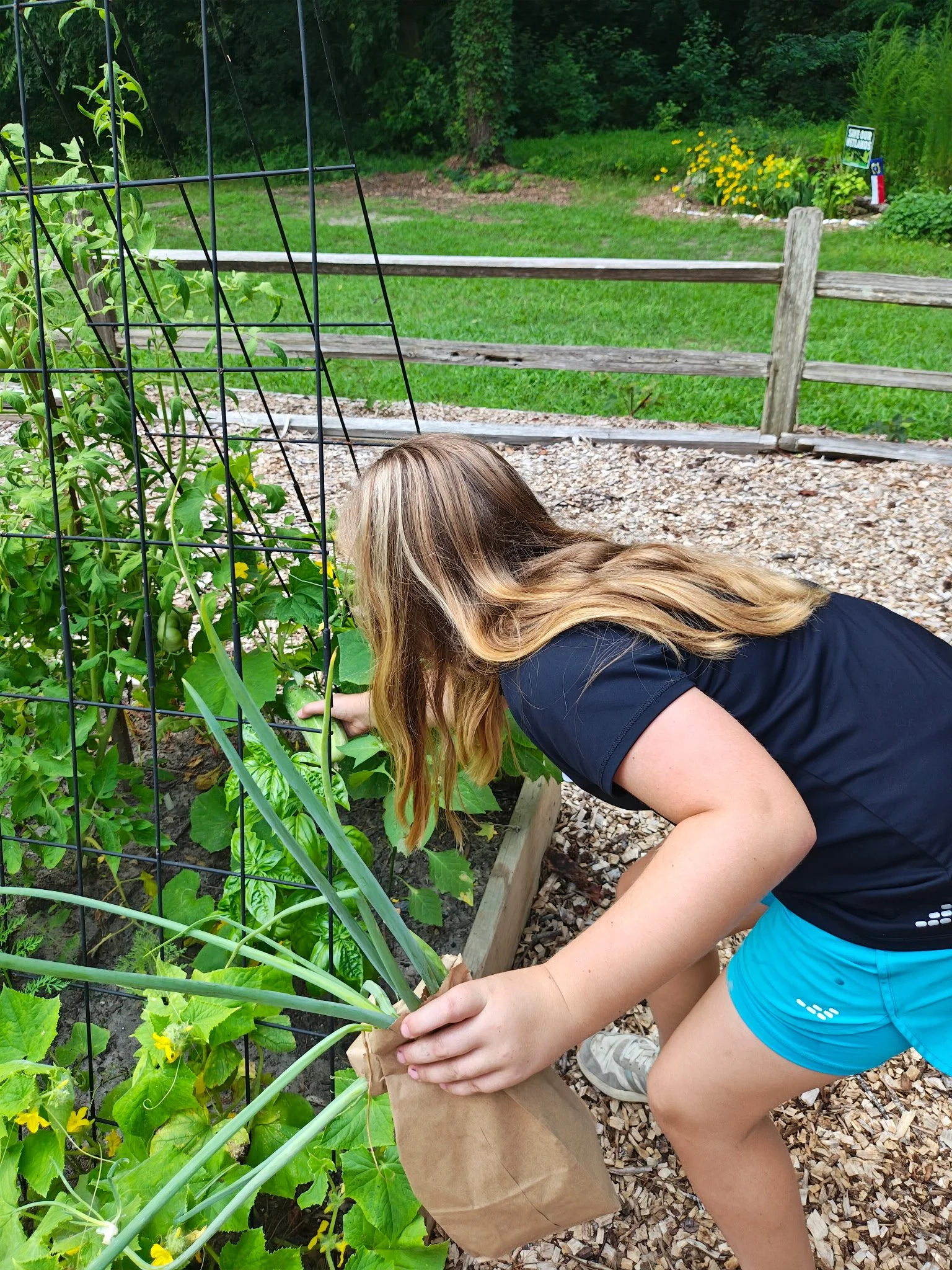
Youth and adults that have visited the Children’s Garden during programming were able to not only see the growth of these plants, but also harvest items (if they were ready) to take home and prepare themselves.
Interactive Spaces for All Ages
While the row garden is traditionally filled with historical items, the garden also features raised beds. These are more traditional and were planted using the square-foot method, allowing youth to easily see spacing and learn plant identification. The ABC Garden, featuring plants A through Z, trails along another learning space complete with a gazebo and picnic tables, and remains a favorite spot for younger children. A berry patch, reading log circle, and meeting barn are also on site to add to the charm and educational reach of the space.
Programs That Inspire
Garden programs continue to grow! Six summer camps were hosted this summer (2025) and many site tours throughout the spring, summer, and fall have brought over 100 youth and adults into the garden for hands-on learning. The summer camps were themed each week such as, “garden explorations,” “blueberry buds,” the dirt on worms,” “cool as a cucumber,” “digging into carrots,” and "watermelon wonders!” Activities were chosen to connect gardening with literacy, science, and history. With themed planting in the raised bed area inspired by children’s books like Who Grew My Soup? and The Tale of Peter Rabbit, the garden space also blends imagination with real-life gardening skills.
Growing Together
A key lesson learned this year is the importance of teamwork. The garden is the result of many hands and many ideas working together, reminding us that big dreams grow best when shared. The Extension Master Gardener Volunteers of Lenoir County, the agents at the Lenoir County Cooperative Extension, Boy Scout Troop 41 (sponsored by Gordon Street Christian Church), and community partners continue to play a vital part in bringing the ever growing visions in the garden to life.
A recent Eagle Scout project added yet another educational feature to the Children’s Garden. This project included a dedicated outdoor classroom complete with benches and a framed chalkboard, providing an additional space for teaching, gathering, and hands-on learning
Looking Ahead
As the garden continues to grow, so will the programs and opportunities it offers. We look forward to welcoming even more youth and families into this unique space where history, horticulture, and hands-on learning flourish side-by-side. We encourage all to stop by and see the area. For a more formal program or tour, contact the Lenoir County Cooperative Extension Office and speak with Paige Petticrew, the advisor for the Extension Master Gardener Volunteers of Lenoir County & Consumer Horticulture Agent at 252-527-2191 or send an email with your inquiry to paige_petticrew@ncsu.edu
Written by: Paige Petticrew, Lenoir County Extension Consumer Horticulture Agent & Advisor to Extension Master Gardener Volunteers of Lenoir County
Sources:
Favero, J. 2022. The History of Scarecrows. Thanksgiving Point.
Hill, C.G. 2016. Pre-Colonial foodways. In Wallach, J.J., Swindall, L.R., & Wise, M.D. (Eds.) The Routledge History of American Foodways (pp. 9-22). London: Routledge Press.
Guise, G. 2023. Colonial Garden. Fairfield Museum and History Center.
Infantree. 2024. Guardians of the Harvest: The History of the Scarecrow. Lancaster Farmland Trust.
Zvirovski, J. 2022. Where Did the Scarecrow Come From?. Jamestown Sun.
Neuse News is a locally-owned small business startup in downtown Kinston. Our goal is to provide free, hyper-local news to Lenoir, Greene and Jones counties. The kind of news our grandparents read in a format fit for today's times.
We provide this by having supportive advertisers and we encourage you to click on their ads, shop with them, and eat with them. Every bit of financial support is important to help us sustain free, hyper-local news.
Please consider supporting Neuse News with as little as $5 one-time or via a monthly option. Every little bit helps us, help you.