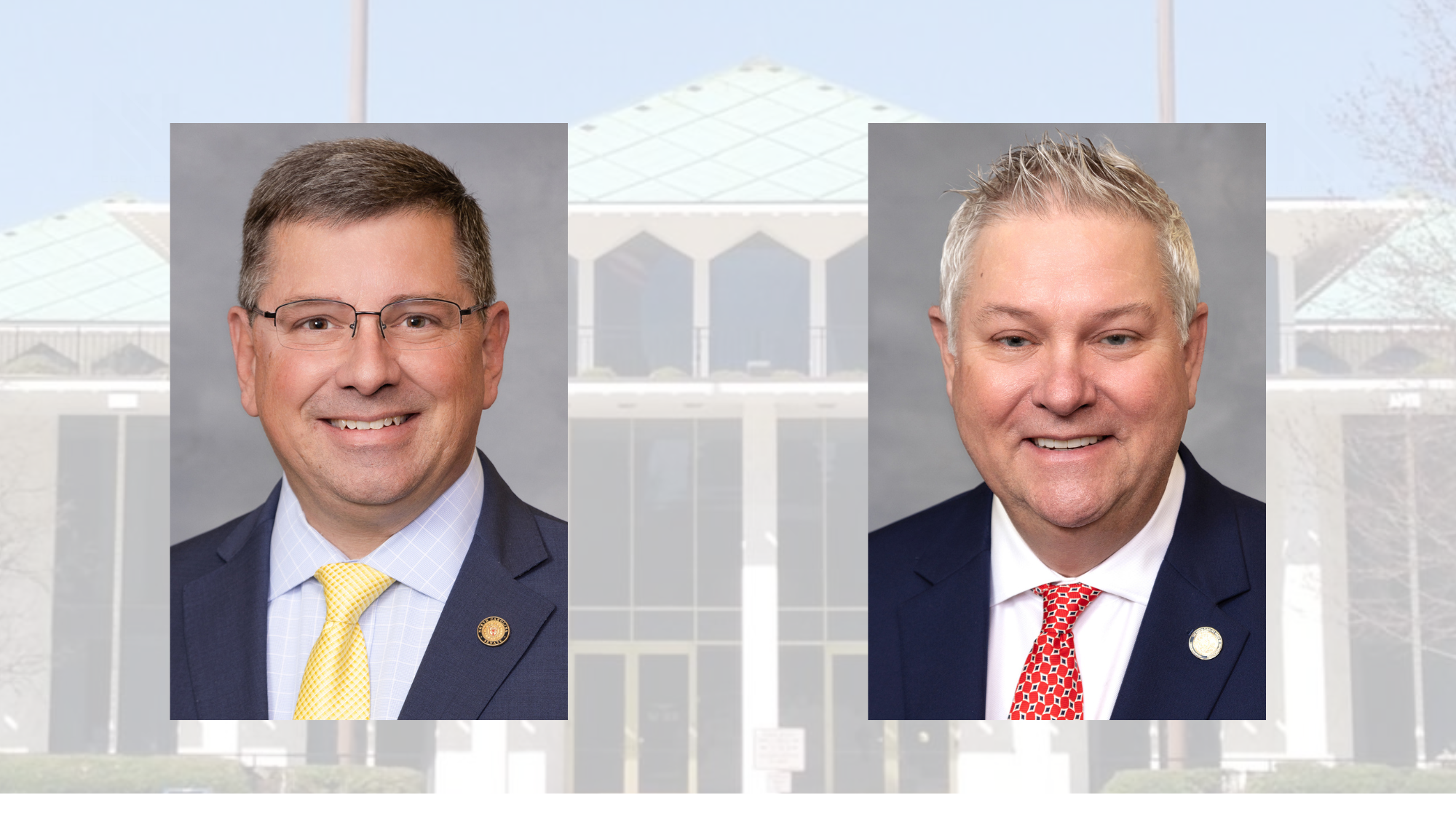
Brinson appointed to Senate property tax reform committee
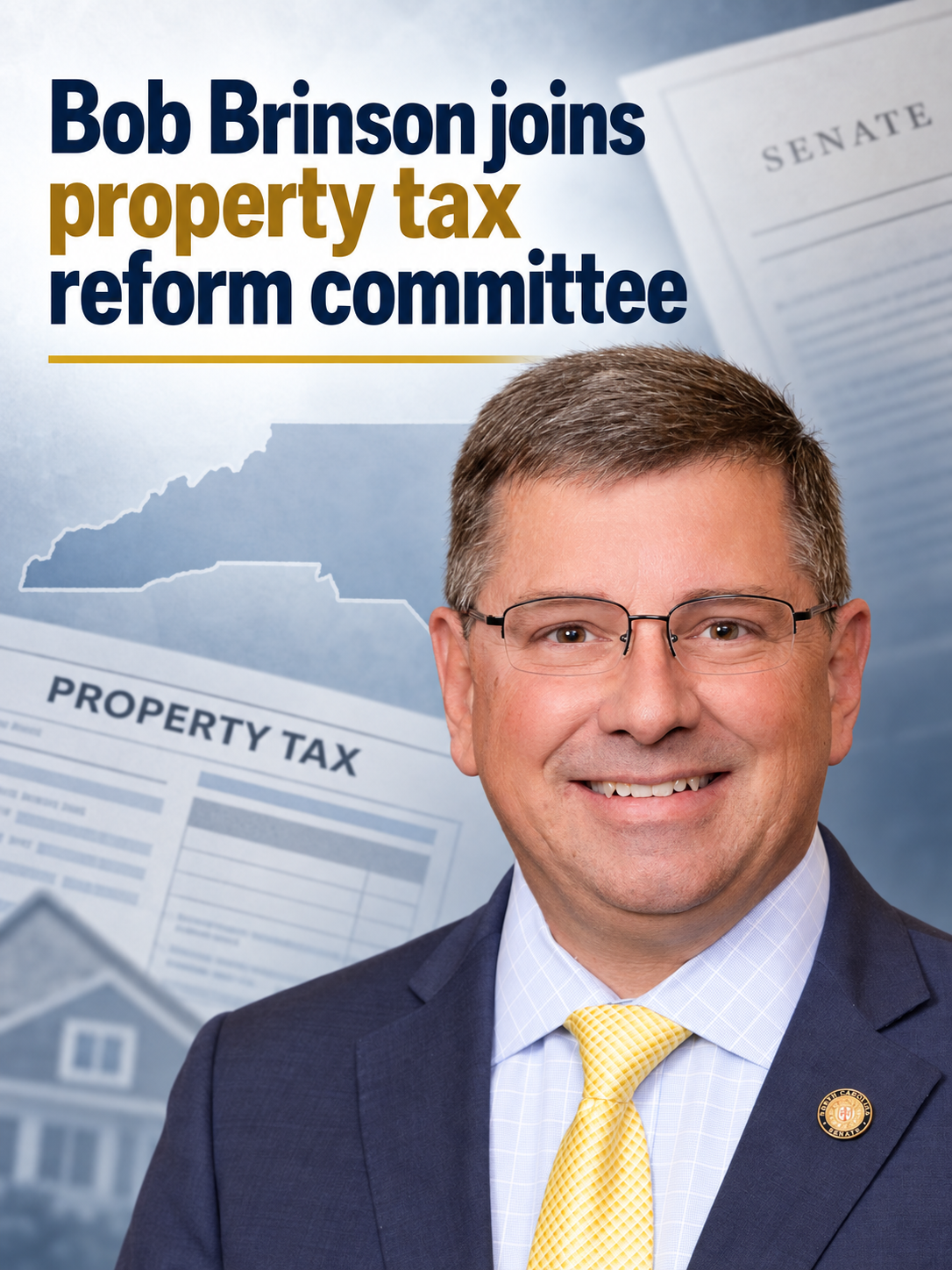
State Sen. Bob Brinson has been appointed to a new Senate committee tasked with examining North Carolina’s property tax system and considering proposals intended to provide long-term relief to property owners.
Senate President Pro Tempore Phil Berger announced the formation of the Senate Select Committee on Property Tax Reform on Thursday. Brinson, a New Bern Republican, represents Senate District 3, which includes Lenoir, Craven and Beaufort counties.
The bipartisan committee will study rising property tax bills, local government tax-setting procedures and potential changes to state law. Berger said the panel will build on property tax legislation considered during the General Assembly’s 2026 short session.
“The General Assembly passed several measures to address concerns about rising property taxes during the short session, but there is more to do for long-term relief,” Berger said in the announcement. “This committee will provide valuable insight and feedback as we rein in local policies that drive up property tax rates and consider proposals to ease the tax burden for all North Carolinians.”
The committee will be chaired by Republican Sens. Lisa Barnes of Nash County, Tom McInnis of Moore County and Buck Newton of Wilson County. Brinson is one of 19 additional members appointed to the panel, which includes 14 Republicans and five Democrats.
The Senate’s earlier property tax proposals included Senate Bill 889, which placed a one-year moratorium on updated property values in certain counties undergoing reappraisal in 2026. The bill became law in May.
Lawmakers also considered Senate Bill 992, known as the “Truth in Taxation” bill. The measure would establish additional notice and disclosure requirements when a local government proposes a property tax rate that would generate more revenue than the revenue-neutral rate following a reappraisal. The Senate approved the bill in June, but it did not receive final approval from the House.
A revenue-neutral rate is the rate calculated to produce approximately the same amount of property tax revenue as the previous year, with adjustments allowed for growth in the tax base.
The General Assembly also approved a proposed constitutional amendment addressing local property tax increases. Because the proposal would amend the state constitution, it must receive voter approval before taking effect.
The Senate announcement did not provide a date for the select committee’s first meeting or a deadline for its recommendations.