Letter to the Editor: Nothing the City buys is free
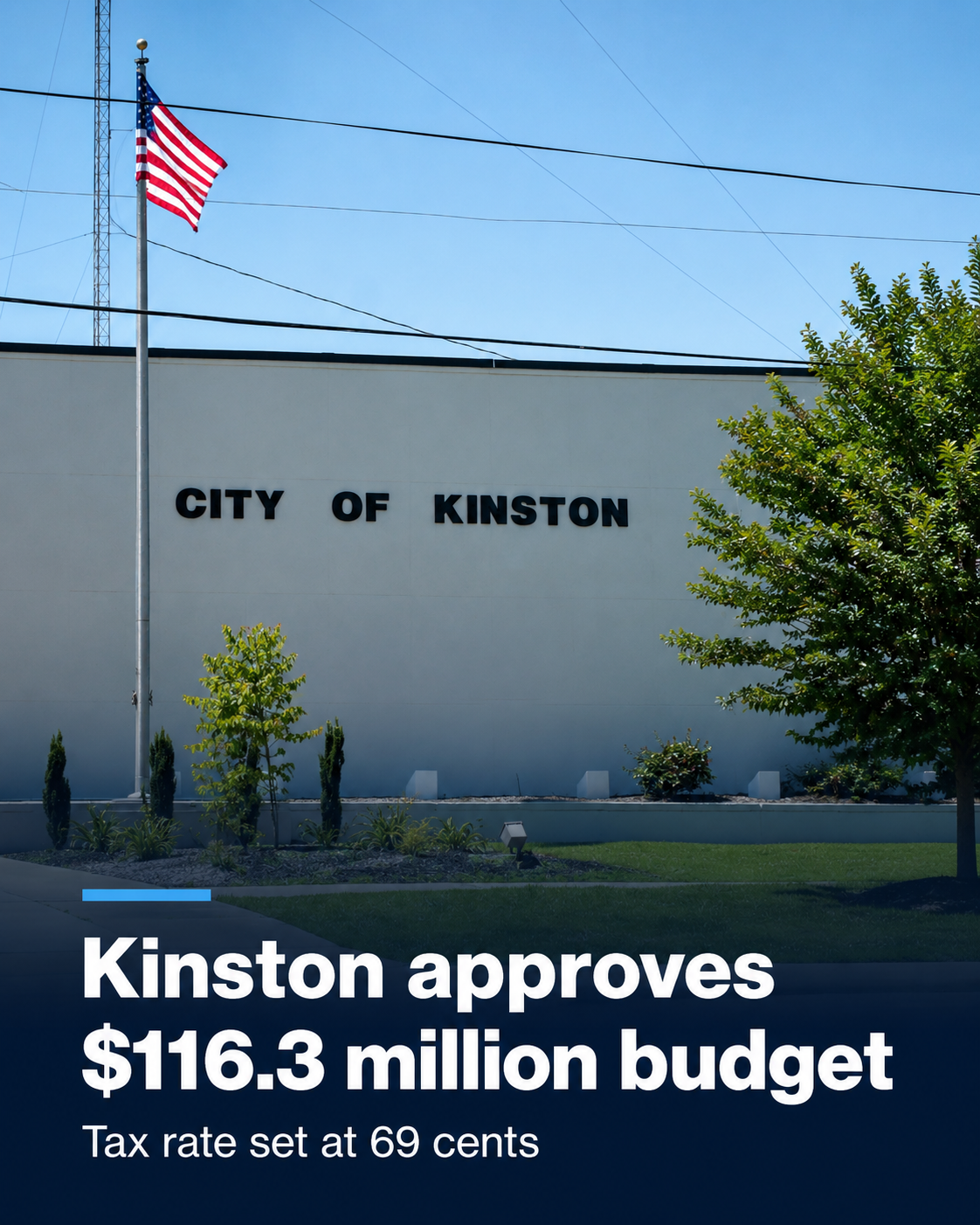
It seems that every year when the City of Kinston’s budget is discussed, the same misconceptions surface. Many of the loudest critics appear to misunderstand what a municipal budget is actually designed to do.
A city budget is not a wish list. It is not a charitable fund. It is not intended to hand out money to every organization or solve every community problem. It is simply the financial plan that keeps your local government operating day after day.
The City pays for police officers, firefighters, electric crews, sanitation workers, public works employees, parks maintenance, administrative staff, and countless other essential services. It pays utility bills, fuel costs, insurance premiums, equipment maintenance, software, vehicles, building repairs, and materials needed to keep the city functioning.
Nothing the City buys is free.
Take road repairs as an example. Residents often ask why roads aren’t fixed faster, but asphalt, concrete, heavy equipment, and labor have all become significantly more expensive. The City doesn’t manufacture asphalt any more than you manufacture groceries. It buys these products at the same inflated prices everyone else pays.
If your household expenses have increased over the last few years, why would anyone expect the City’s expenses to stay the same?
Another common complaint is that the City should provide funding to nonprofits, churches, businesses, or other organizations. While partnerships can be valuable, those entities are generally responsible for their own operations. Their success depends on their leadership, their supporters, their customers, and the community at large, not the City budget.
Likewise, not everything with “Kinston” in its name belongs to or is funded by the City. The Kinston Housing Authority, for example, is federally funded. The City does not own the mall, churches, private businesses, or many other institutions people mistakenly assume fall under local government.
Citizens often want lower taxes while simultaneously demanding better roads, faster utility repairs, expanded recreation programs, more police officers, upgraded equipment, and additional city services. Unfortunately, those goals don’t always coexist. Services cost money.
Imagine a major power outage occurring after years of budget cuts. Would residents be satisfied waiting days for repairs because there weren’t enough employees or resources available to respond? Most would not.
Every budget reflects choices and priorities. If residents want fewer taxes, they should also be prepared for fewer services. If they want higher levels of service, they should understand that those services must be funded.
Finally, there is often criticism that the City should create more activities for children or solve every social issue. Parents and families remain the primary responsibility for raising and caring for their children. That said, Kinston already provides many opportunities through Parks and Recreation and other community programs. Rather than focusing only on what isn’t offered, perhaps we should take greater advantage of what already exists.
Constructive criticism is healthy. But before criticizing the budget, take the time to understand its purpose. Learn what it costs to maintain roads, operate utilities, provide public safety, and deliver the services we rely on every day.
The City budget exists to keep the City running. That’s exactly what it is supposed to do.
Patrick Rooney
Kinston Homeowner